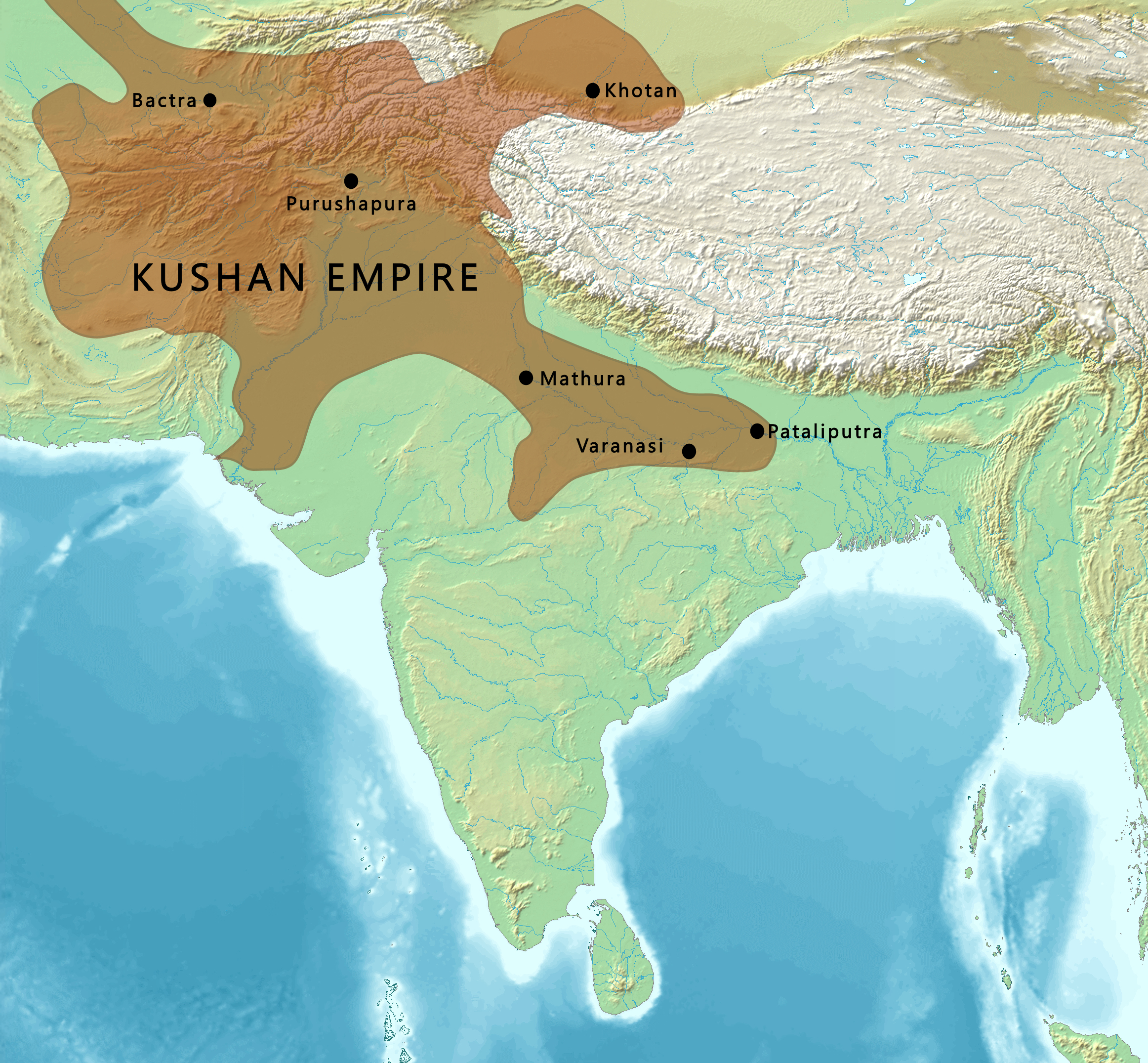
Episode 10.7 - Jogaila and Vytautas Part II

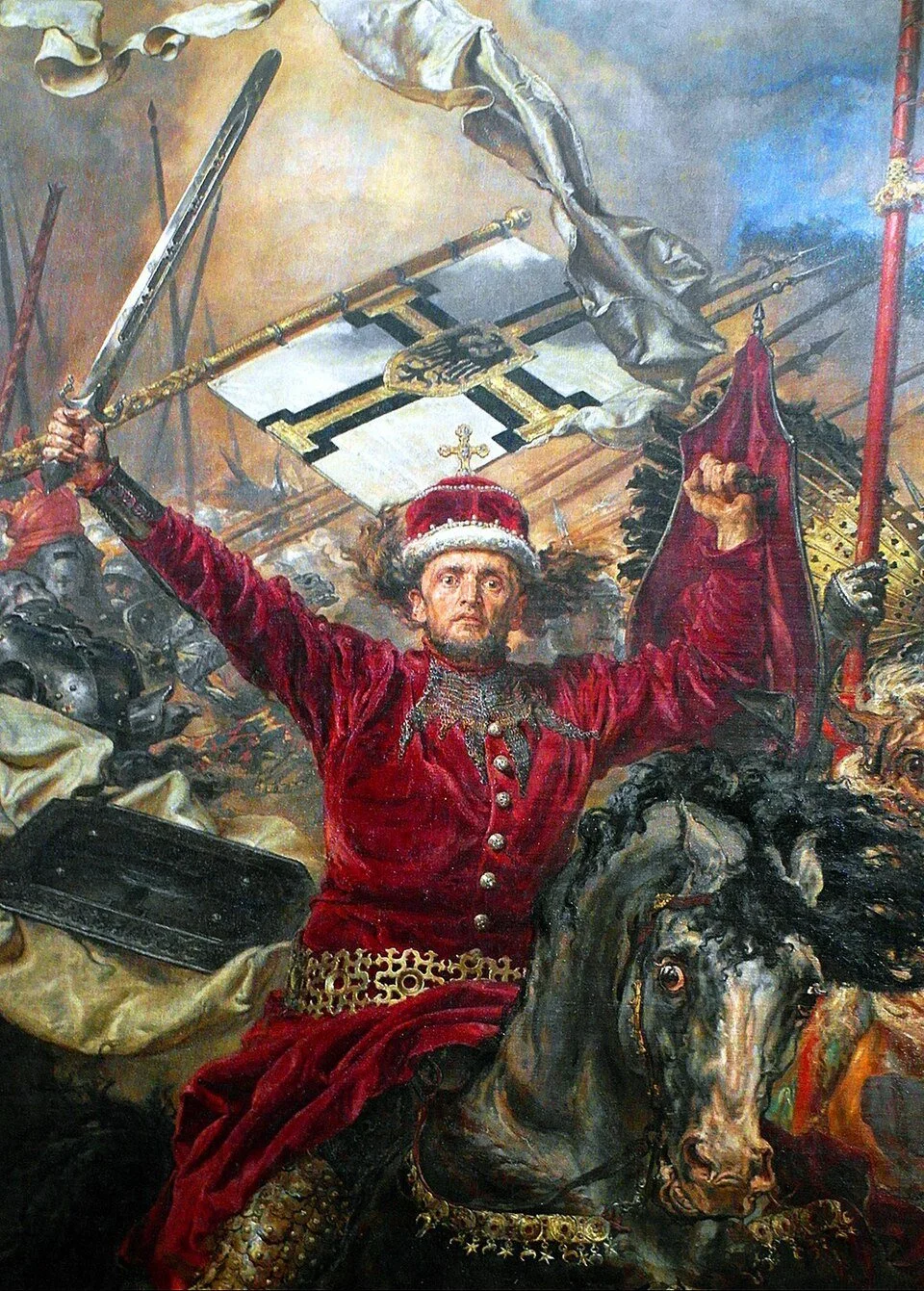
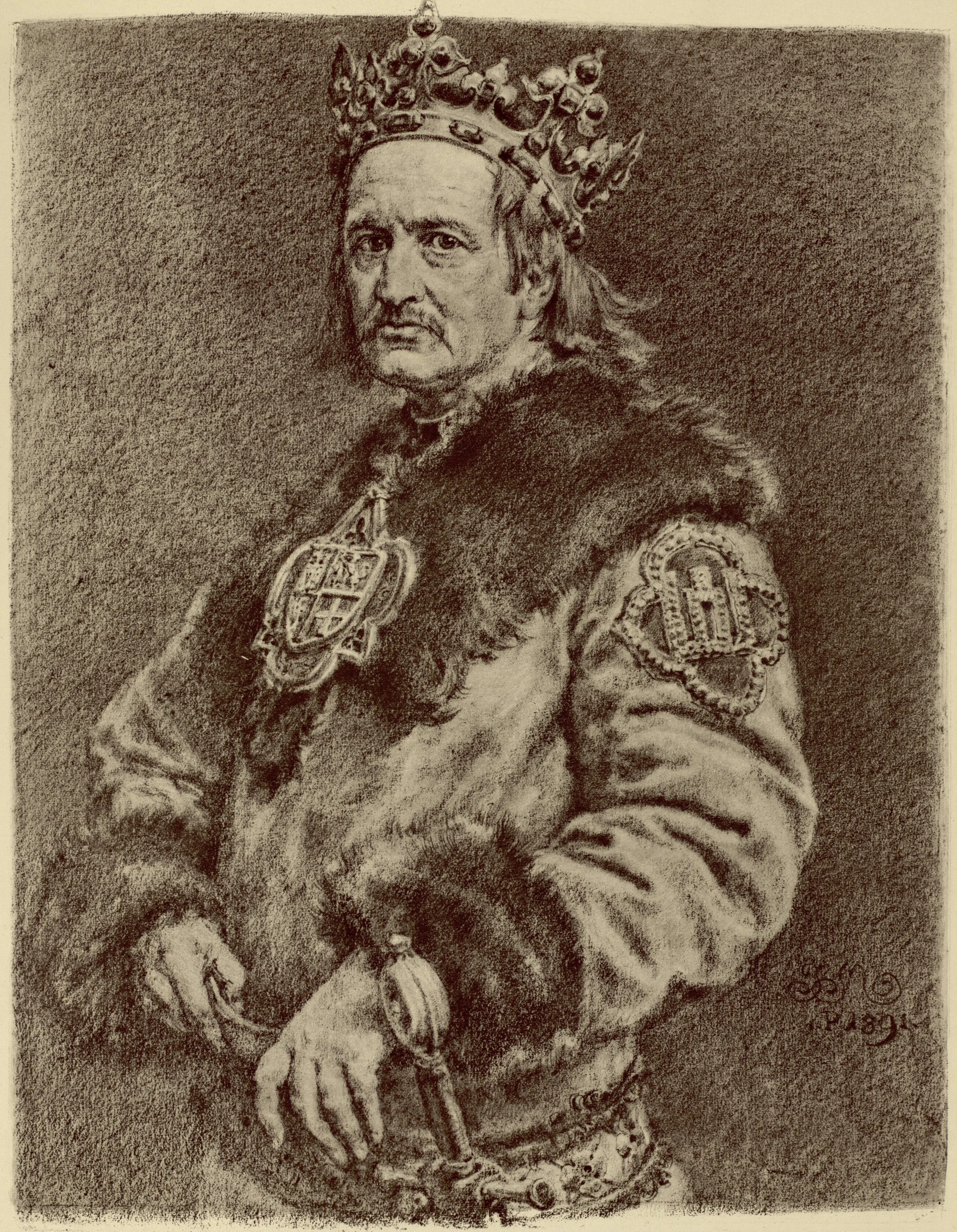
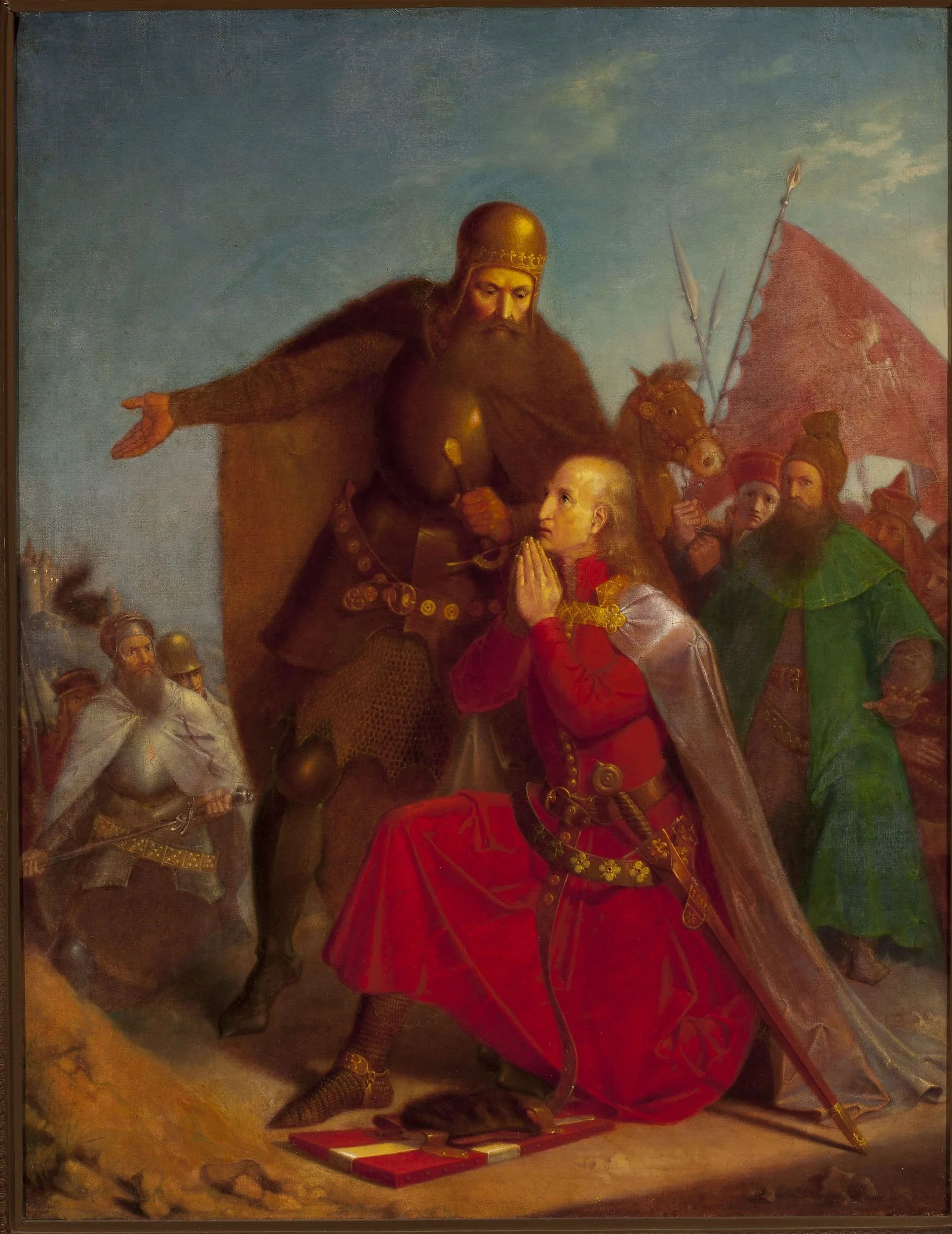
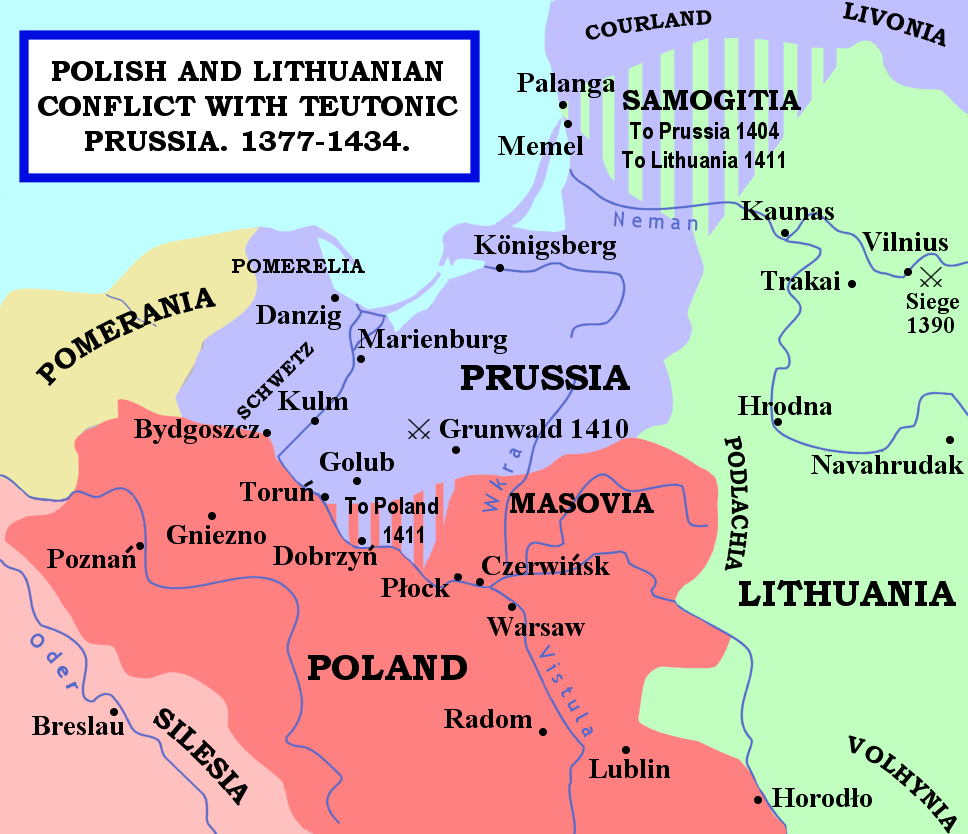
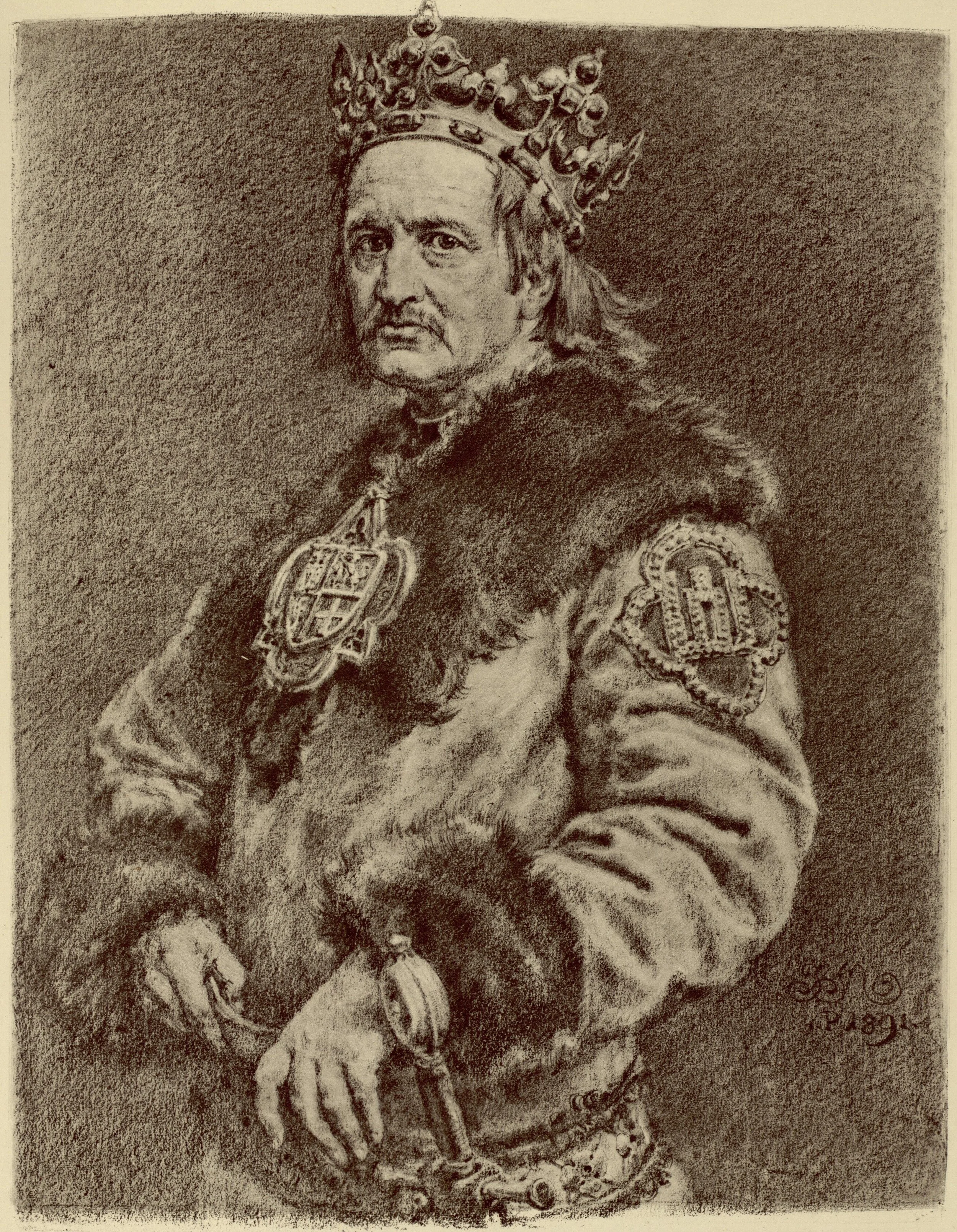
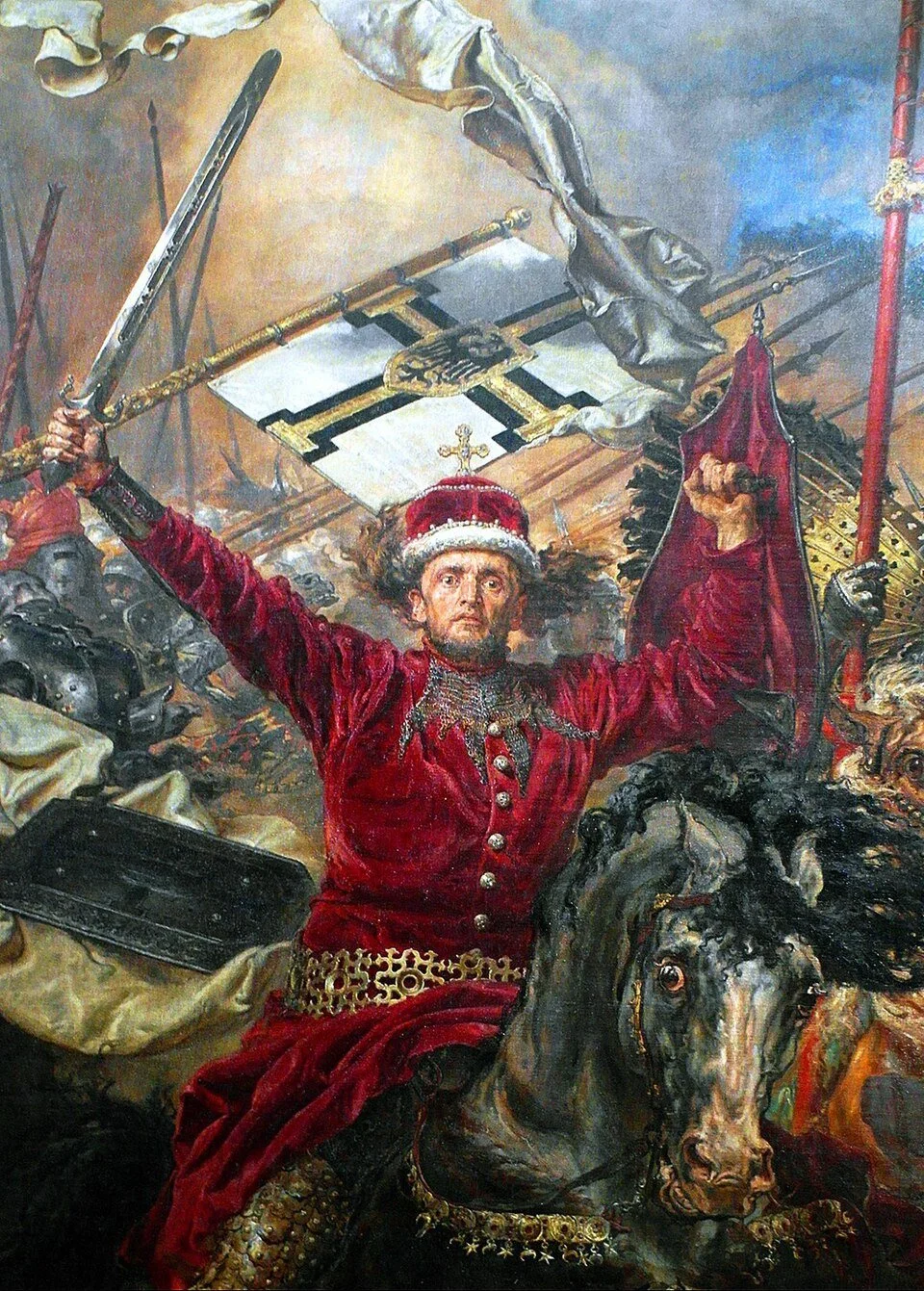
This episode, we return to eastern Europe to finish up the stories of Jogaila, who had become king of Poland, and Vytautas, who ruled as the Grand Duke of Lithuania. Theoretically Jogaila was Vytautas’s sovereign, and although at times it produced some tension, in 1410, they were in a tight alliance, ready to go to war as allies.

10.7 - Jogaila and Vytautas Pt 2
The Almost Forgotten

Sources

  • Daniel Stone, The Polish-Lithuanian State, 1386-1795

  • Vanda Sruogiene, “Jogaila”, Lithuanian Quarterly Journal of Arts and Sciences

  • The Cambridge Medieval History

  • Oscar Halecki, Borderlands of Western Civilization: A History of East Central Europe

  • Robert Frost, The Oxford History of Poland-Lithuania

  • William Urban, The Last Years of the Teutonic Knights: Lithuania, Poland, and the Teutonic Order

  • Axel Ehlers, “The Crusade of the Teutonic Knights against Lithuania Reconsidered

Names Mentioned
Episode 10.6 - Jogaila and Vytautas Part 1

For the next two episodes, we’ll look at Jogaila and Vytautas, two men who helped shaped eastern Europe for centuries to come. Together, they paved a path that would join a rapidly growing Lithuania with Poland, push back threats from the west, hold sway over lands to their east, and create a state that dominated the region for centuries.

10.6 - Jogaila and Vytautas Pt 1
The Almost Forgotten

Sources

  • Daniel Stone, The Polish-Lithuanian State, 1386-1795

  • Vanda Sruogiene, “Jogaila”, Lithuanian Quarterly Journal of Arts and Sciences

  • The Cambridge Medieval History

  • Oscar Halecki, Borderlands of Western Civilization: A History of East Central Europe

  • Robert Frost, The Oxford History of Poland-Lithuania

  • William Urban, The Last Years of the Teutonic Knights: Lithuania, Poland, and the Teutonic Order

  • Axel Ehlers, “The Crusade of the Teutonic Knights against Lithuania Reconsidered

Names Mentioned
Episode 10.5 - Amadeus VI of Savoy

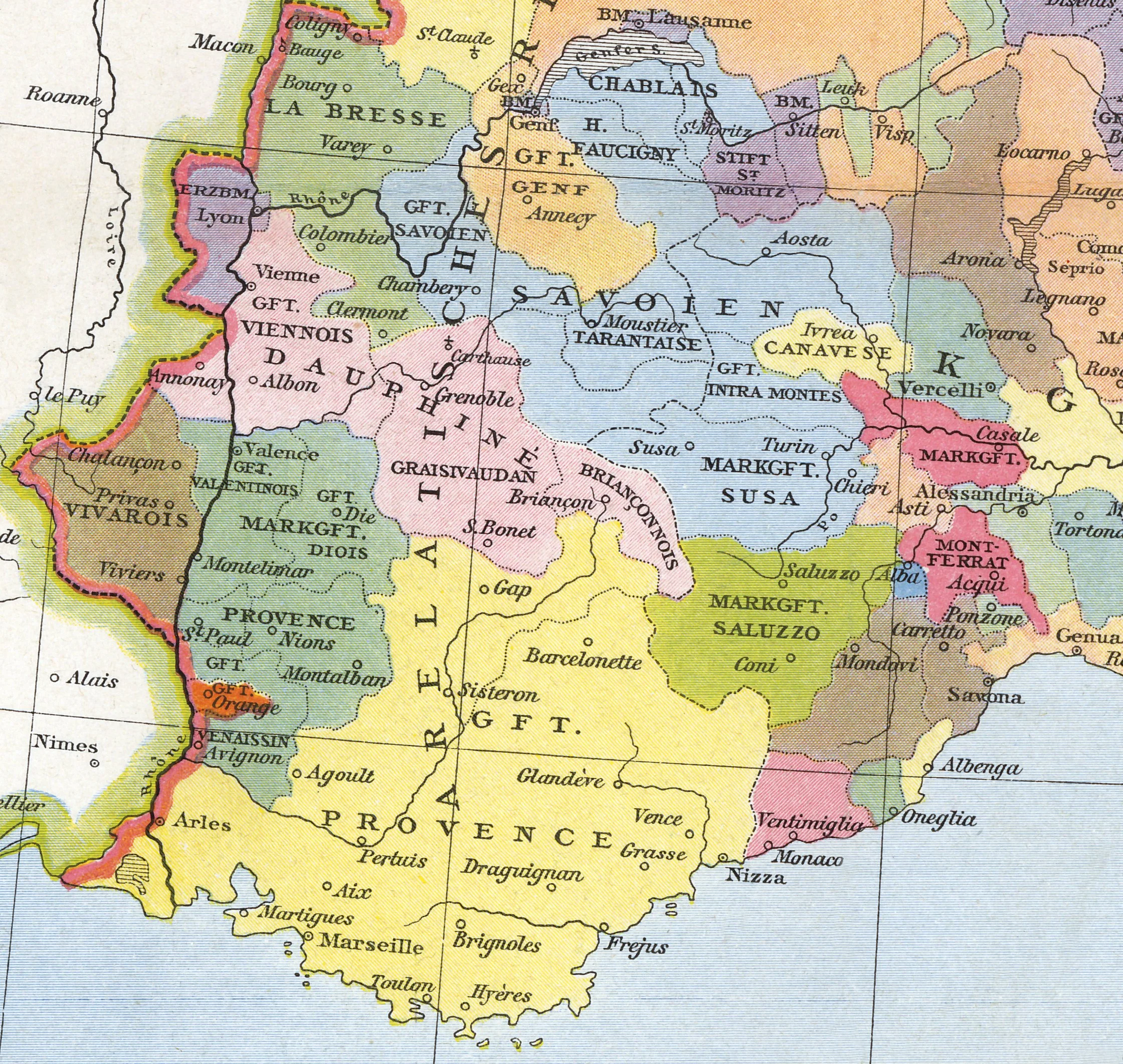
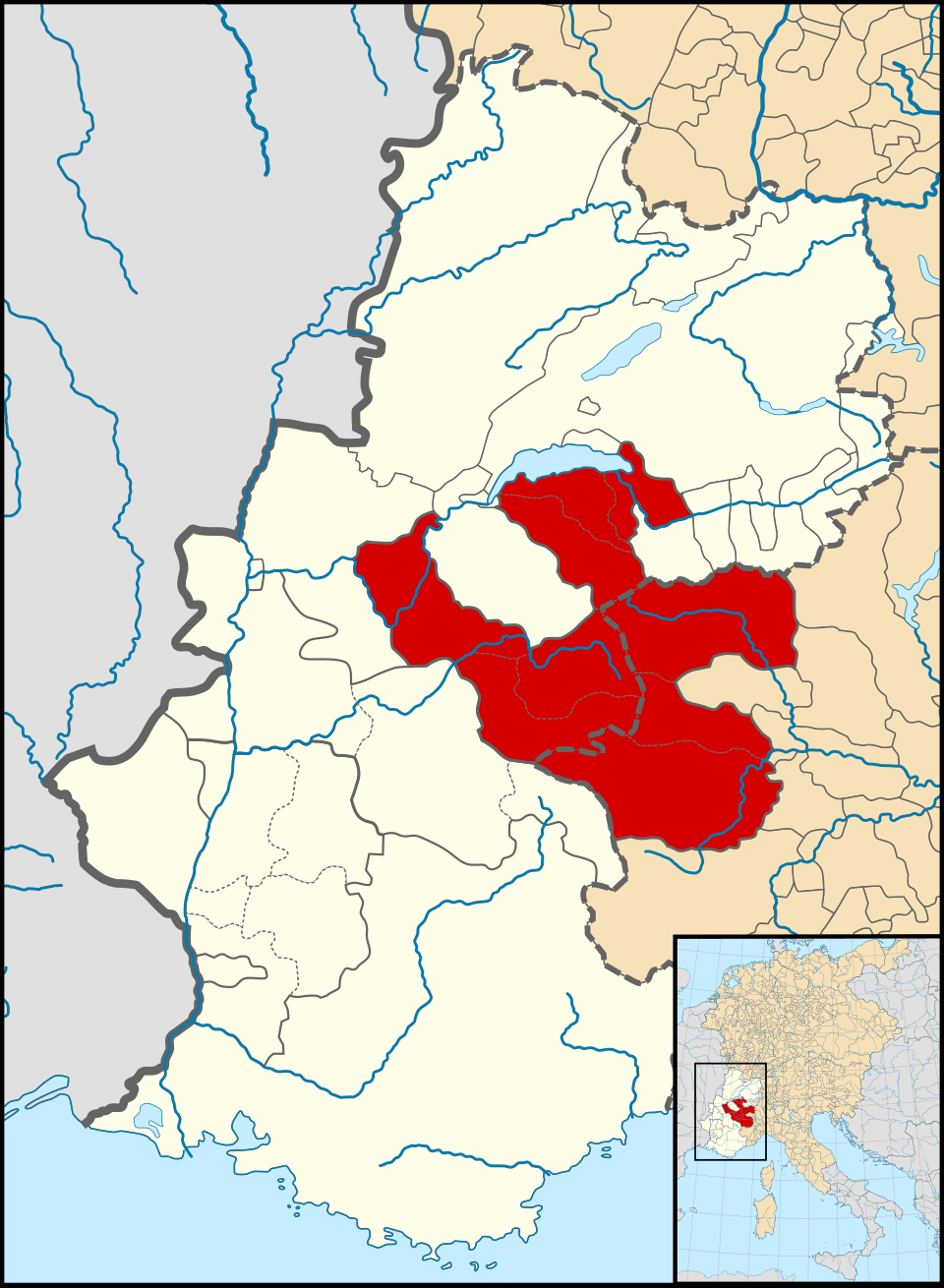
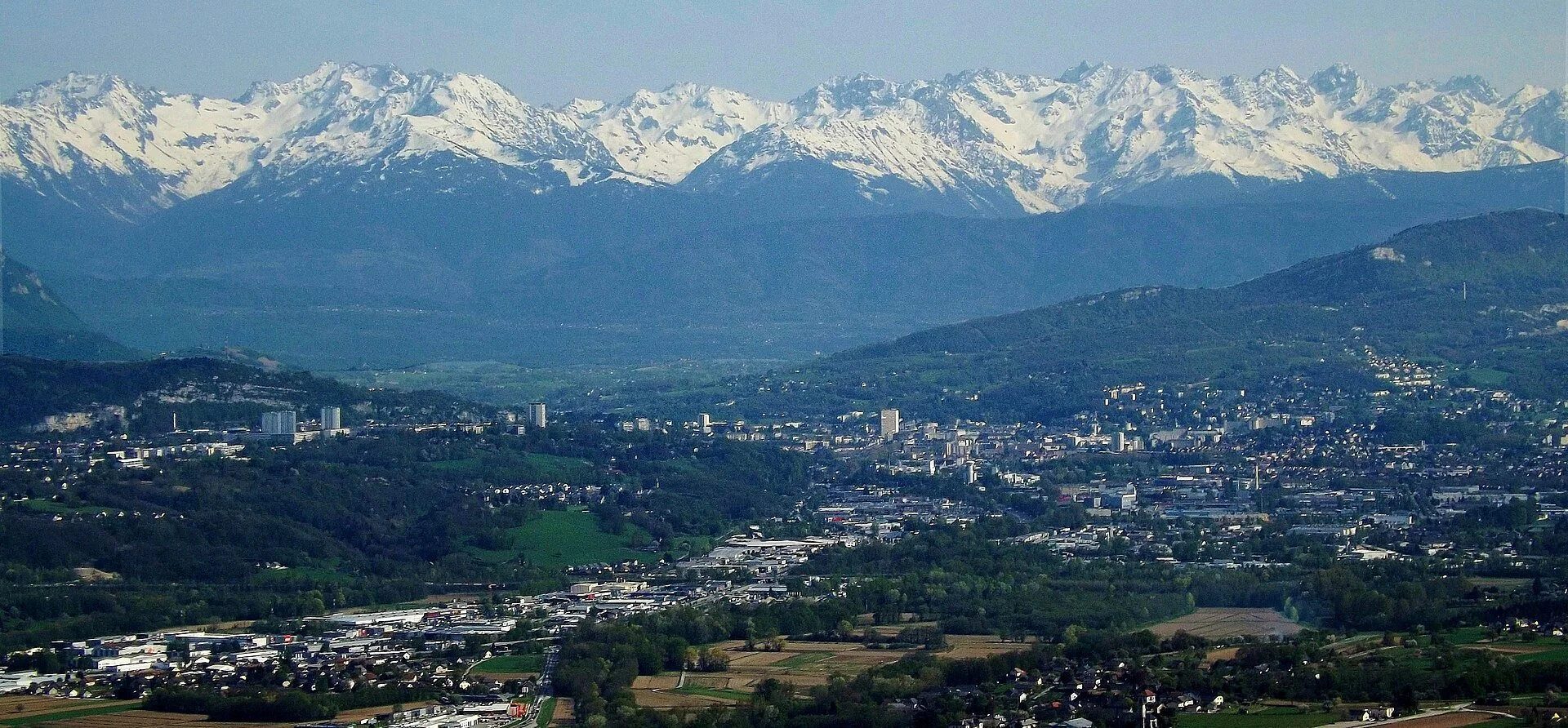
Count Amadeus VI of Savoy was from a small mountain county of the Holy Roman Empire in the Western Alps, and helped turn it into what would eventually be one of the most important states in early modern Europe.

10.5 - Amadeus VI of Savoy
The Almost Forgotten

Episode 10.4 - Rajendra Chola

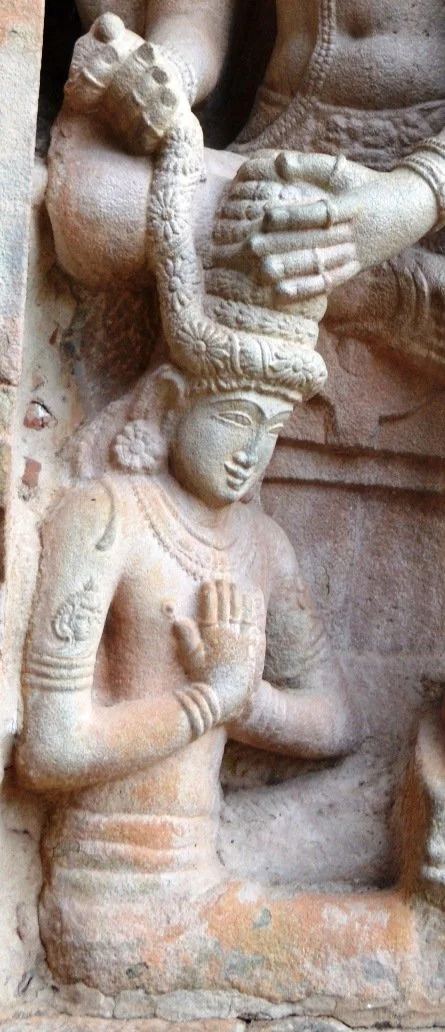
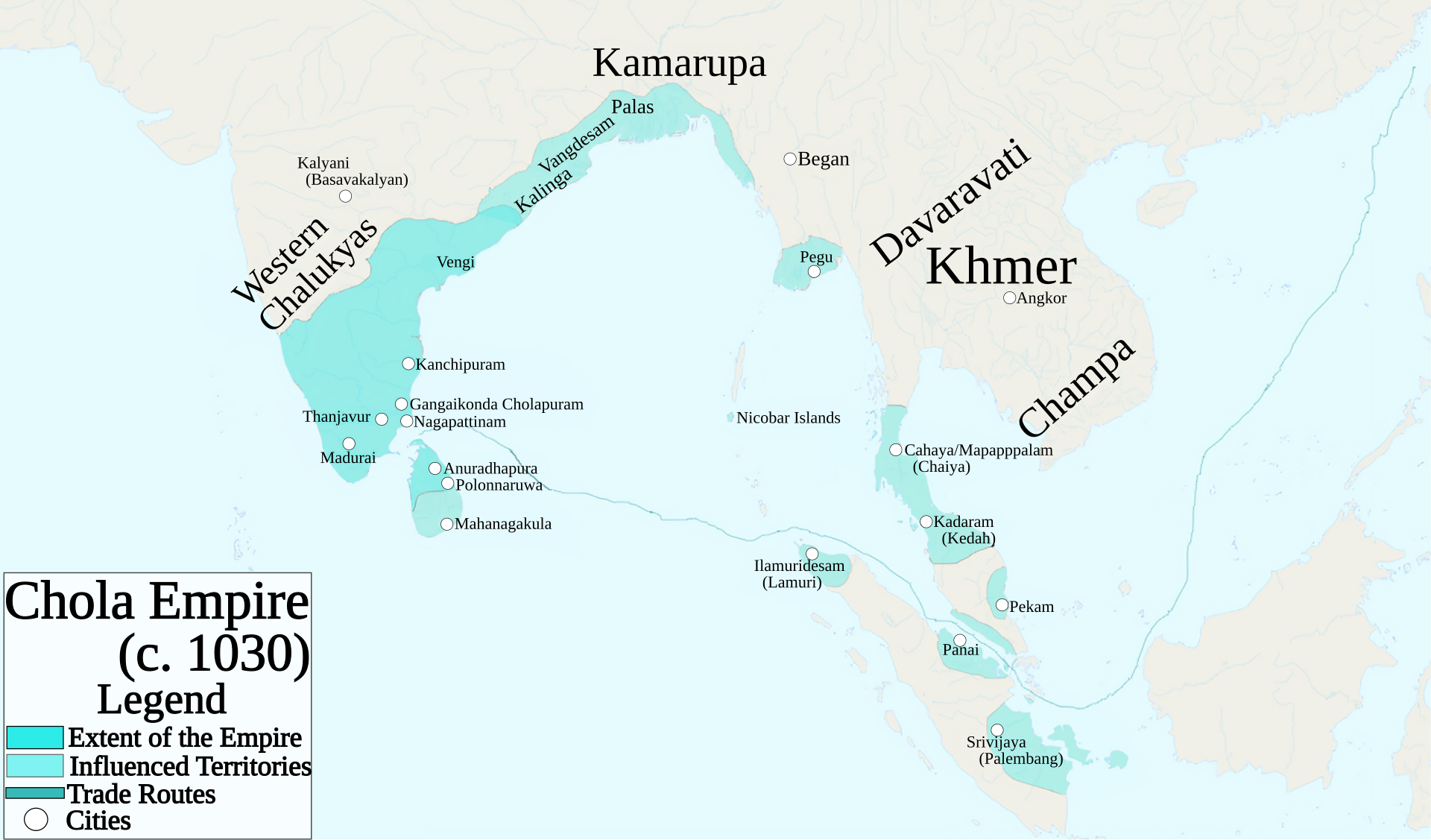
Rajendra I, Emperor of the Chola, ruled southern India in the 11th century. Rajendra’s father expanded the Chola empire to become the dominant power in southern India, and Rajendra grew it well beyond that, to become the dominant power around the whole Bay of Bengal and the Andaman Sea.

10.4 - Rajendra Chola
The Almost Forgotten

Sources

  • K.A. Nilakanta Sastri, The Cholas

  • K.A. Nilakanta Sastri, A History of South India Since Prehistoric Times to the Fall of Vijayanagar

  • K.A. Nilakanta Sastri, A Comprehensive History of India, Ch 1, The Cholas

  • Amartya Ghosh, “The Gangetic Campaign by the Cholas (11th Century)”, Proceedings of the Indian History Congress, 1992

  • R. C. Majumdar, “The Overseas Expeditions of King Rājendra Cola”, Artibus Asiae

  • Tansen Sen, “The Military Campaigns of Rajendra Chola and the Chola-Srivijaya-China Triangle”, Nagapattinam to Suvarnadwipa : Reflections on the Chola Naval Expeditions to Southeast Asia

  • The Cambridge Economic History of India

  • George W Spencer, “The Politics of Plunder: The Cholas in Eleventh-Century Ceylon”, The Journal of Asian Studies

Names Mentioned
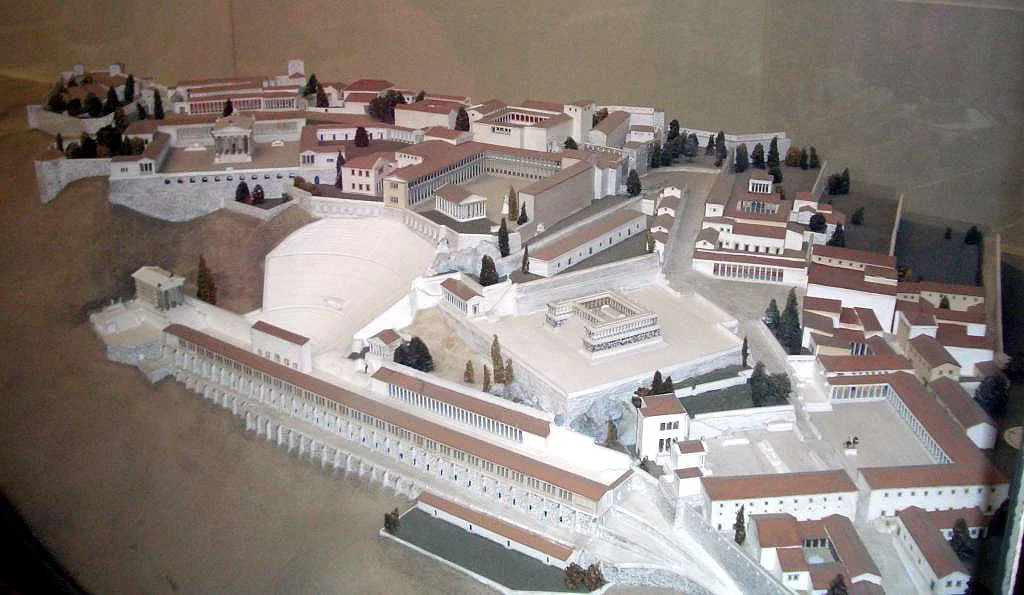
Episode 10.3 - The Attalids Pt 2, Eumenes II

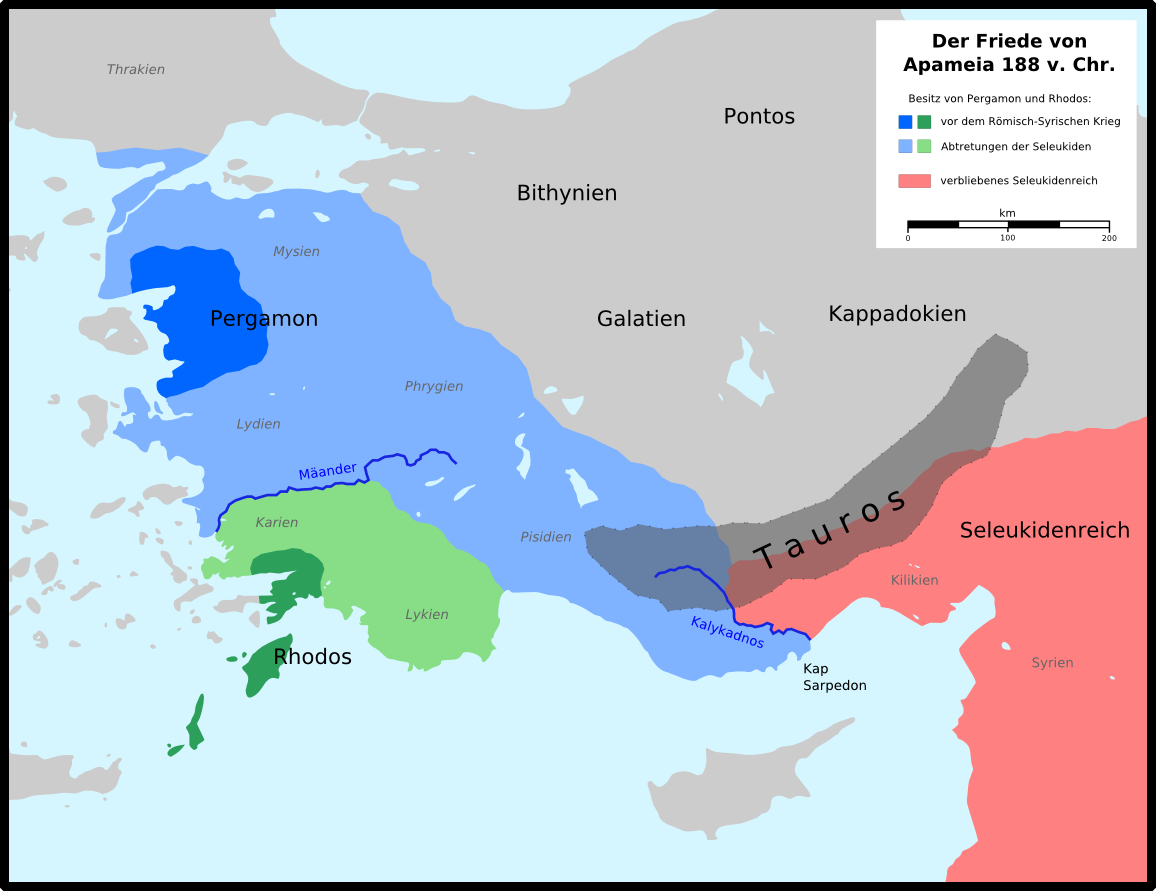
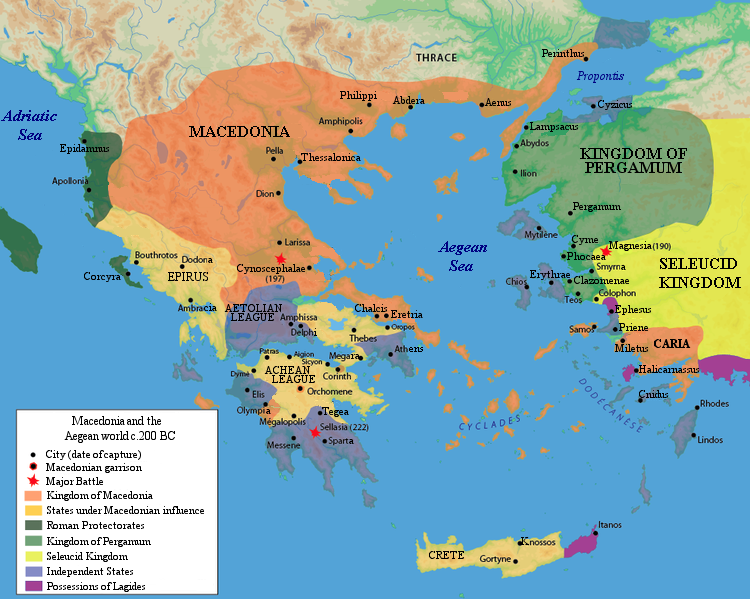
Eumenes II brought the kingdom of Pergamon to its greatest height, and helped make the city into something that would be influential for centuries. He did what he had to do to keep his kingdom strong and independent, but the price he paid for that helped sow the seeds of Roman domination throughout the Eastern Mediterranean.

10.3 - The Attalids pt. 2 - Eumenes II
The Almost Forgotten

Sources

  • Esther V. Hansen, The Attalids of Pergmon

  • The Cambridge Ancient History

  • The Cambridge Economic History of the Greco-Roman World

  • The Cambridge History of Greek and Roman Warfare

  • Richard Whitaker, “Art and Ideology: The case of the Pergamon Gigantomachy”, Acta Classica

  • Peter Green, “The New Urban Culture: Alexandria, Antioch, Pergamon”, Grand Street

  • Christian Habicht, “Athens and the Attalids in the Second Century B. C.”, Hesperia: The Journal of the American School of Classical Studies at Athens

  • “Elaia, Pergamon’s maritime satellite: the rise and fall of an ancient harbour city shaped by shoreline migration”, Journal of Quaternary Science

Names Mentioned
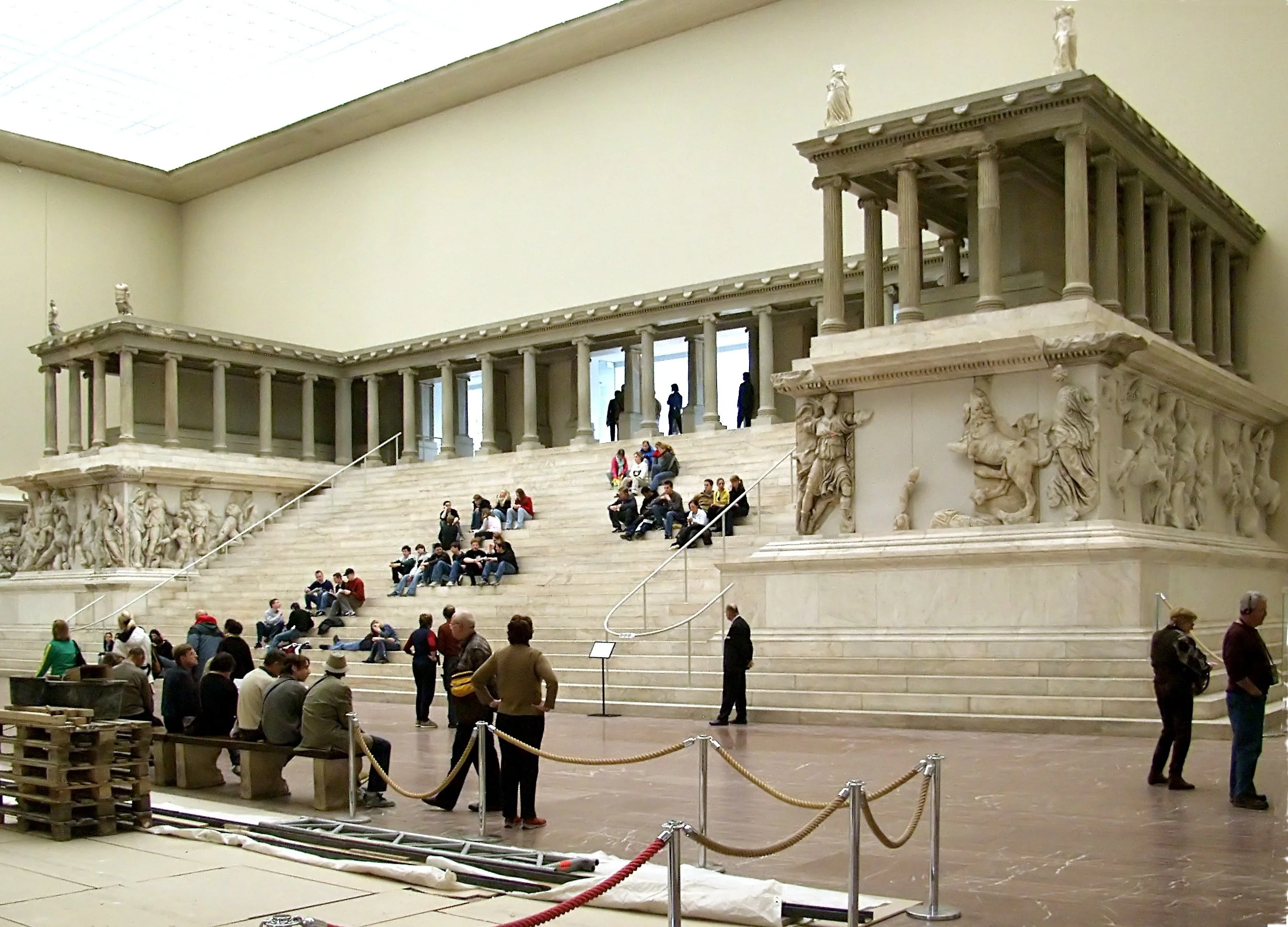
Episode 10.2 - The Attalids Pt 1, Attalus I

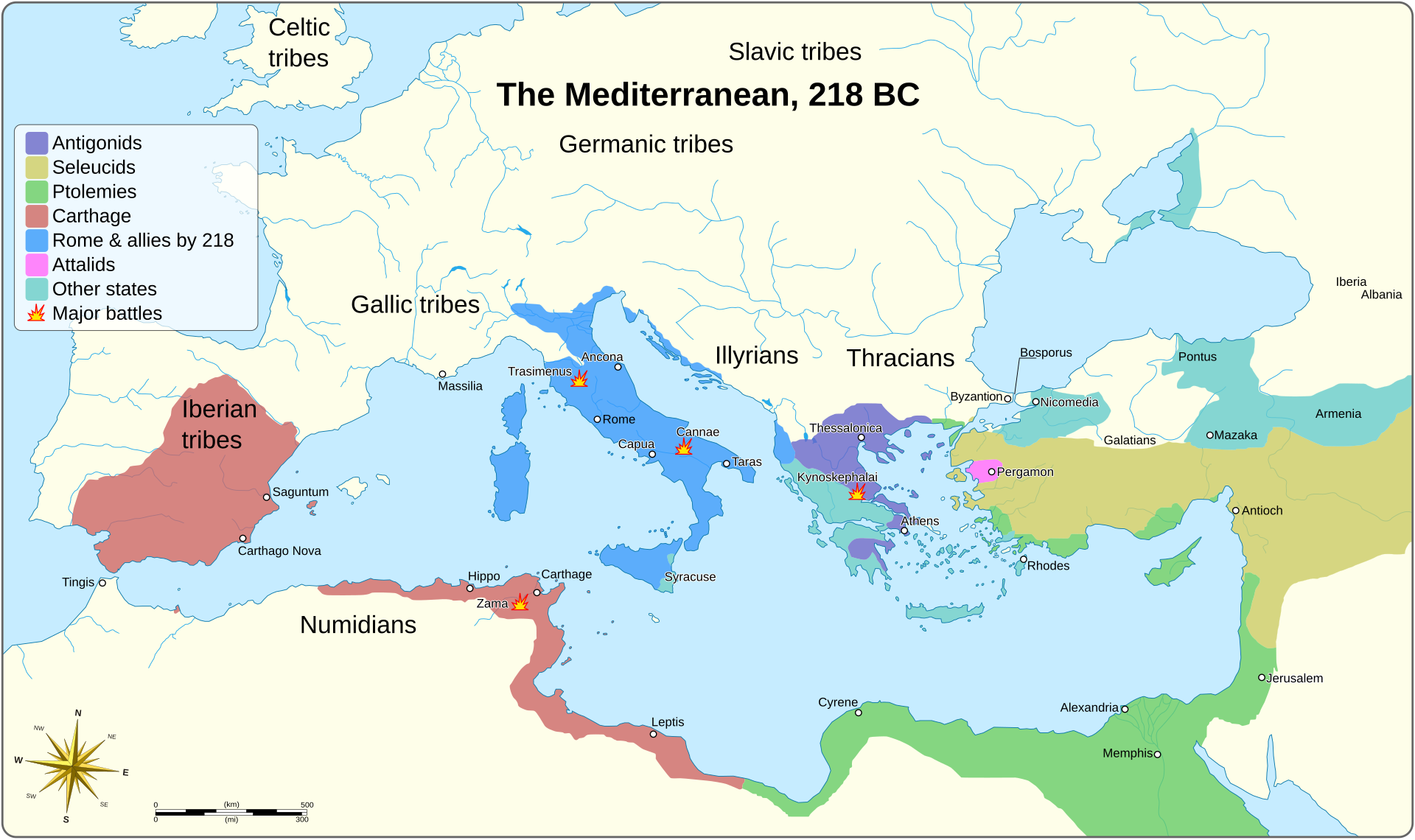
Attalus led Pergamon in the latter half of the 3rd century BC, as it grew from a small city to a major player in the Mediterranean in the span of a couple of generations. They took on the most powerful Hellenistic Kingdoms of the day, allied with the Roman Republic, and became a center of Hellenistic culture for a century.

10.2 - The Attalids, Attalus I
The Almost Forgotten

Sources

  • Esther V. Hansen, The Attalids of Pergmon

  • The Cambridge Ancient History

  • The Cambridge Economic History of the Greco-Roman World

  • The Cambridge History of Greek and Roman Warfare

  • Richard Whitaker, “Art and Ideology: The case of the Pergamon Gigantomachy”, Acta Classica

  • Peter Green, “The New Urban Culture: Alexandria, Antioch, Pergamon”, Grand Street

  • Christian Habicht, “Athens and the Attalids in the Second Century B. C.”, Hesperia: The Journal of the American School of Classical Studies at Athens

  • “Elaia, Pergamon’s maritime satellite: the rise and fall of an ancient harbour city shaped by shoreline migration”, Journal of Quaternary Science

Names Mentioned
Episode 10.1 - Isar Damu of Ebla

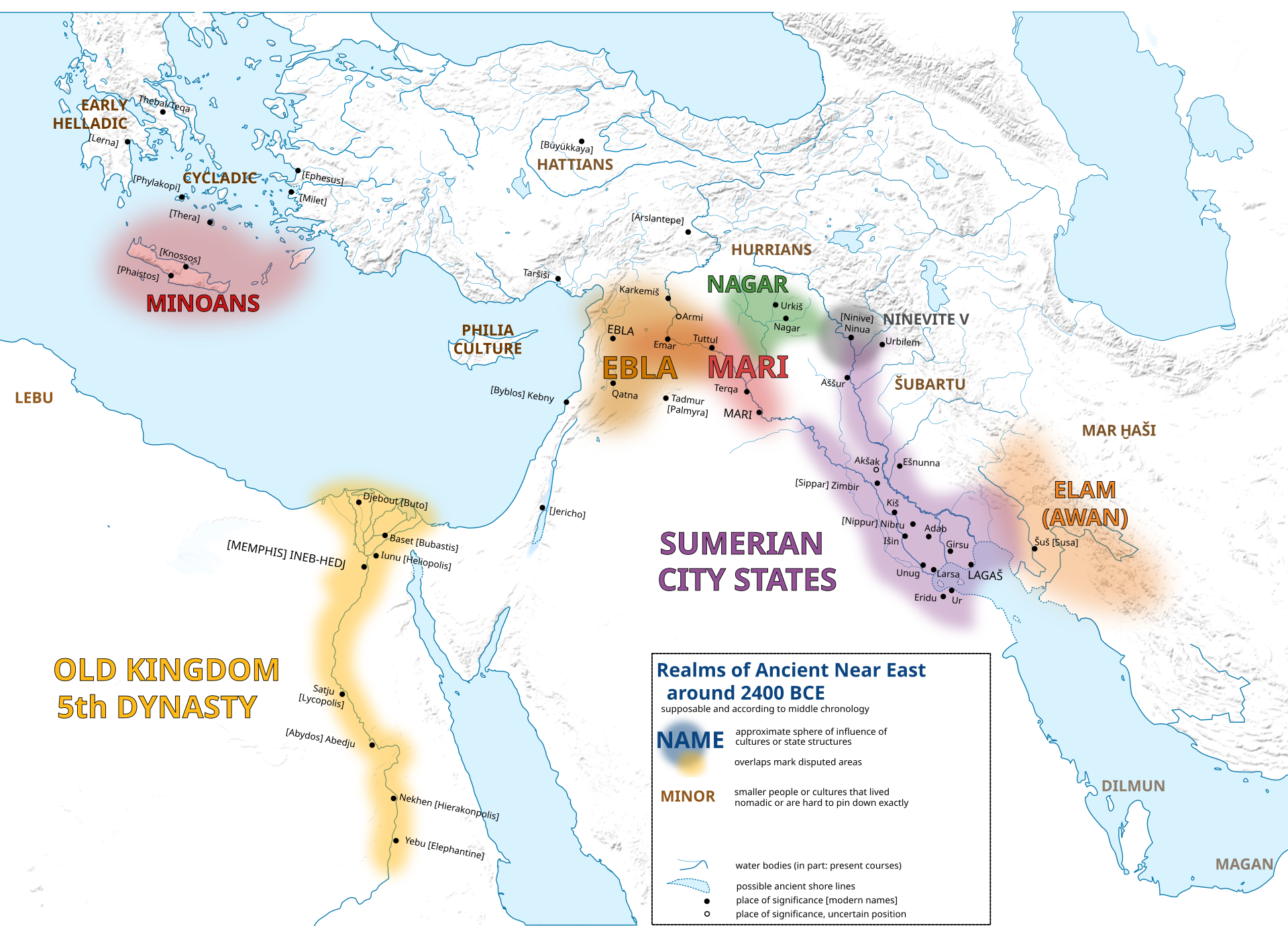
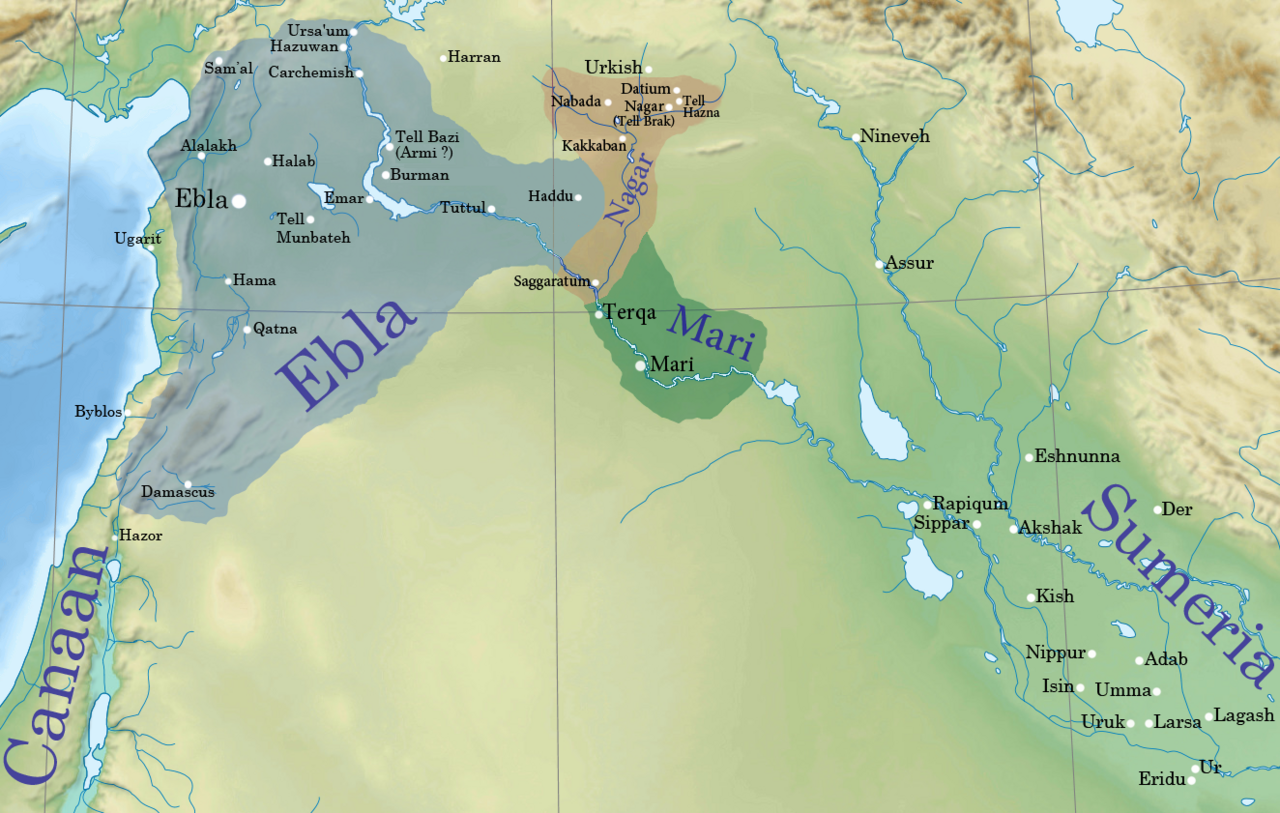
Isar Damu was a king of the city of Ebla during its golden age, in the 24th century BC. Ebla was a city in northwestern Syria that ruled a large kingdom which facilitated trade from Egypt to Sumer and beyond, conquering its neighbors before suffering from a palace destruction which left of with one of the oldest libraries ever found.

10.1 - Isar-Damu
The Almost Forgotten

Sources

  • Michael Astour, “A Reconstruction of the History of Ebla (Part 2),” Eblaitica: Essays on the Ebla Archives, Volume 4

  • Trevor Bryce, Ancient Syria, A Three Thousand Year History

  • Alfonso Archi, “In Search of Armi”, Journal of Cuneiform Studies

  • Alfonso Archi and Maria Giovanna Biga, “A Victory over Mari and the Fall of Ebla,” Journal of Cuneiform Studies

  • Winters, Ryan D., “Negotiating Exchange: Ebla and the International System of the Early Bronze Age.”

Names Mentioned
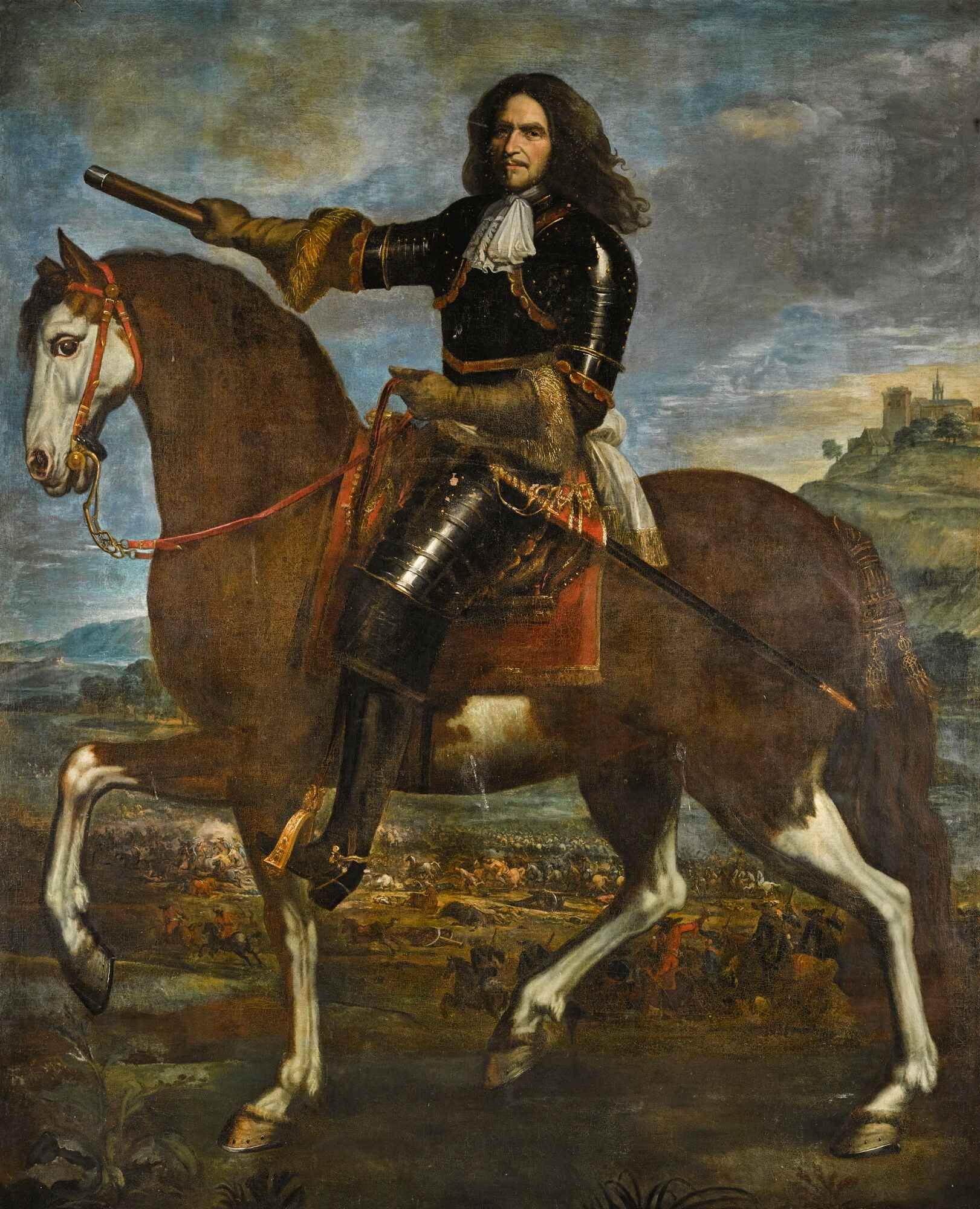
Episode 9.10 - Turenne

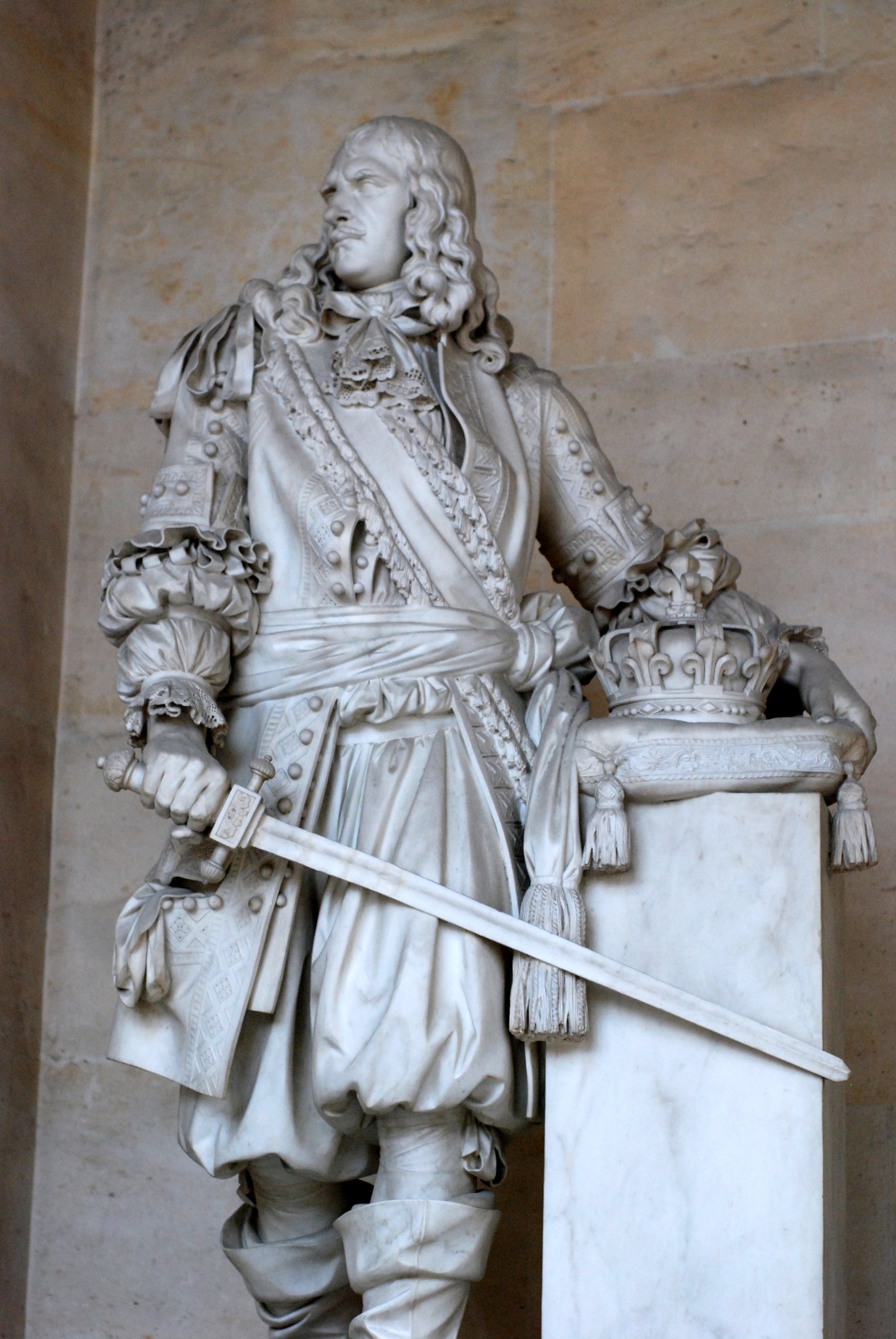
Turenne was a major figure in France during the golden age of the Ancien Regime. Napoleon said his “audacity grew with years and experience” as some of his greatest victories were when he was in his mid-60s. He was a great general in an age of greats, a brilliant strategist, and was a supporter of the common soldier in an age of aristocracy.

9.10 - Turenne
The Almost Forgotten

Sources

  • Thomas de Longueville, Marshall Turenne

  • H.M. Hozier, Turenne

Names Mentioned

Episode 9.9 - Hohenstaufen Pt 3 - Frederick II

Frederick II was the grandson of Barbarossa and of Roger the Great of Sicily. He inherited kingdoms from both lineages, and then lost and regained them both. He wound up ruling a vast territory and at least in some of his lands, began shaping his kingdom in a way that would be a lead-in to post-feudal Europe, even if he didn’t quite get there himself.

Episode 9.9 - Hohenstaufen Pt 3 - Frederick II
The Almost Forgotten

Sources

  • Thomas Curtis van Cleve, The Emperor Frederick II of Hohenstaufen - Immutator Mundi

  • Lionel Allshorn, Stupor Mundi - The Life & Times of Frederick II

  • Marcel Pacaut, Frederick Barbarossa

  • Eugene Cox, “The Kingdom of Burgundy, The Lands of the House of Savoy and Adjacent Territories”, The New Cambridge Medieval History

  • David Abulafia, “The Kingdom of Sicily Under the Hohenstaufen and Angevins”, The New Cambridge Medieval History

  • John Freed, Frederick Barbarossa - The Prince and the Myth

Names Mentioned
Episode 9.8 - Hohenstaufen Pt 2 - Henry and Philip

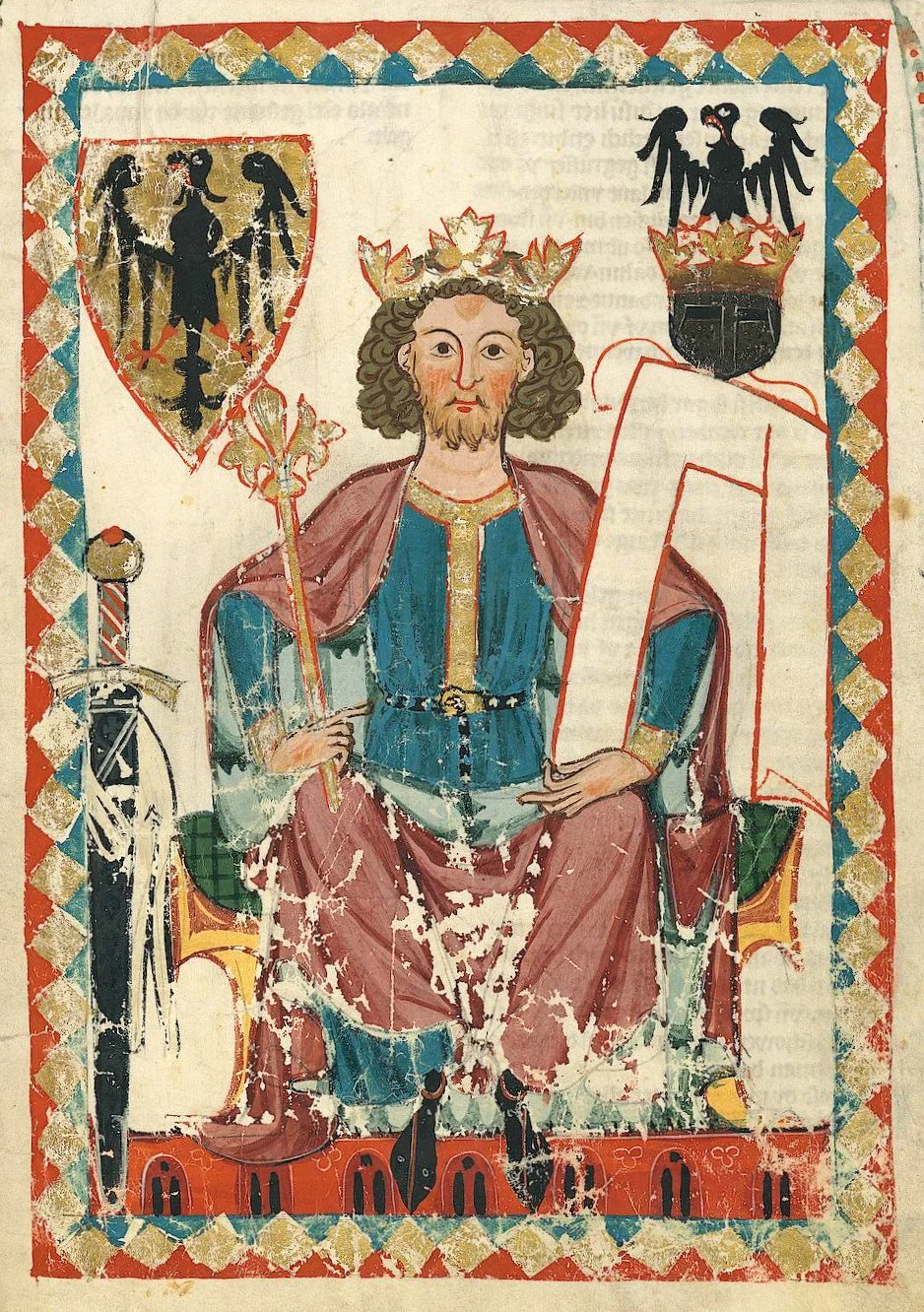
Frederick Barbarossa was succeeded by his sons, Henry and Philip. Both were capable rulers who looked to follow in their father’s footsteps and expand imperial power. Henry had significant successes, but neither lived long enough to truly become remarkable emperors. And they were succeeded by the rival Welf clan, although that King, Otto, didn’t last too long on the throne, either.

9.8 - Hohenstaufen Pt 2 - Henry VI and Philip
The Almost Forgotten

Sources

  • Thomas Curtis van Cleve, The Emperor Frederick II of Hohenstaufen - Immutator Mundi

  • Lionel Allshorn, Stupor Mundi - The Life & Times of Frederick II

  • Marcel Pacaut, Frederick Barbarossa

  • Eugene Cox, “The Kingdom of Burgundy, The Lands of the House of Savoy and Adjacent Territories”, The New Cambridge Medieval History

  • David Abulafia, “The Kingdom of Sicily Under the Hohenstaufen and Angevins”, The New Cambridge Medieval History

  • John Freed, Frederick Barbarossa - The Prince and the Myth

Names Mentioned
Episode 9.7 - Hohenstaufen Pt 1 - Frederick Barbarossa

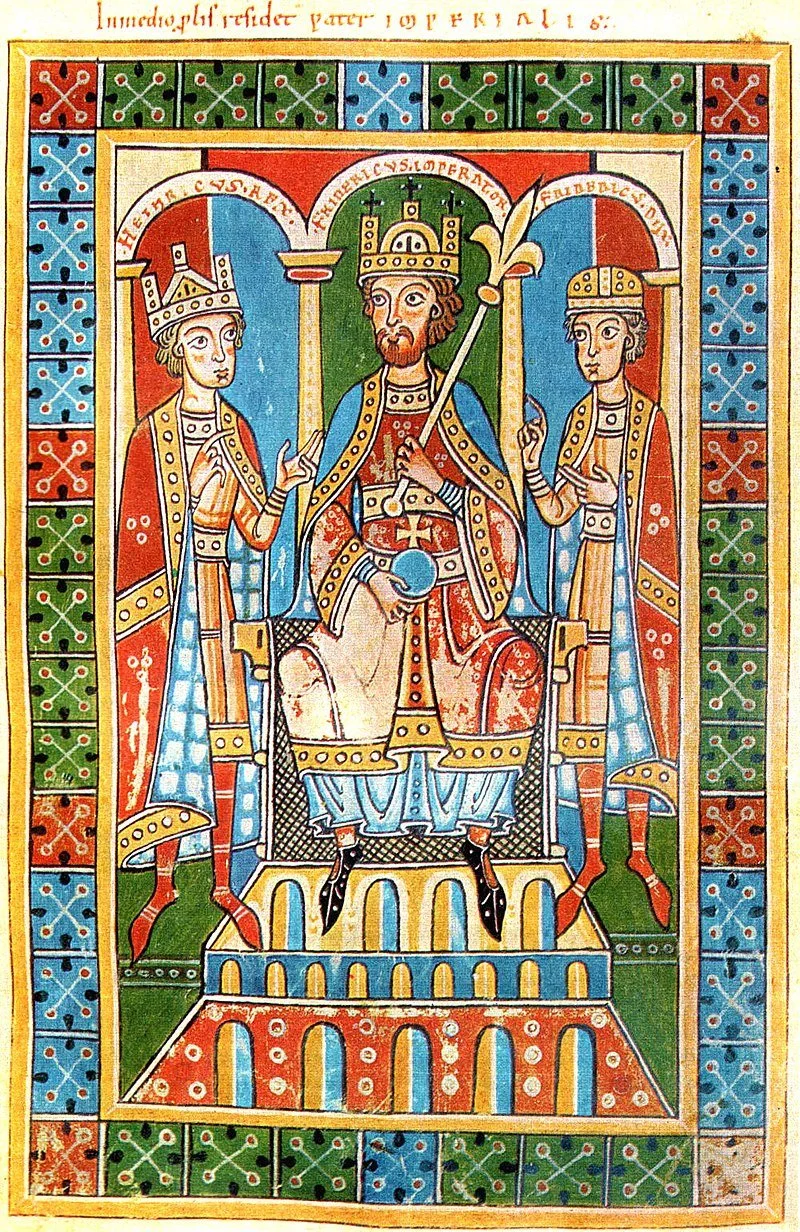
Frederick Barbarossa was Holy Roman Emperor in the 12th century. He forced his way into the imperial office, and then forced the office back into relevance after a century or so of decline. He was an incredibly energetic leader, a strong general and politician. He expanded the power of his empire, and is considered one of the greatest of the Holy Roman Emperors.

9.7 - Hohenstaufen pt 1 Frederick Barbarossa
The Almost Forgotten

Sources

  • Marcel Pacaut, Frederick Barbarossa

  • Eugene Cox, “The Kingdom of Burgundy, The Lands of the House of Savoy and Adjacent Territories”, The New Cambridge Medieval History

  • David Abulafia, “The Kingdom of Sicily Under the Hohenstaufen and Angevins”, The New Cambridge Medieval History

  • John Freed, Frederick Barbarossa - The Prince and the Myth

Names Mentioned
Episode 9.6 - Yuknoom the Great

Yuknoom led the powerful Maya kingdom ruled by Snake Dynasty. He installed vassal kings in neighboring cities and succeeded in dividing the royal line of his main rival, the city of Tikal. He eventually sacked Tikal itself, and continued to grow the power and influence of his city, in what many historians consider the golden age for the Snake Kingdom.

9.6 - Yuknoom the Great
The Almost Forgotten

Sources

  • Simon Martin and Nikolai Grube, Chronicle of the Maya Kings and Queens

  • Simon Martin and Nikolai Grube, Maya Superstates

  • David Freidel, The origins and development of Lowland Maya Civilisation

  • Francisco Estrada-Belli and Alexandre Tokovinine, Chochkitam: A New Classic Maya Dynasty and the Rise of the Kaanu’l (Snake) Kingdom

    Ramón Carrasco Vargas, Verónica A. Vázquez López and Simon Martin, Daily Life of the Ancient Maya Recorded on Murals at Calakmul, Mexico

  • Josh Gabbatiss, “Thousands of Ancient Maya ‘Snake King’ structures discovered hidden in the depths of the Guatemalan jungle”, The Independent

Names Mentioned
Episode 9.5 - Harsha

Harsha took over a growing kingdom in eastern Punjab, during a time of divided polities after the collapse of the huge Gupta Empire. He expanded his lands east along the Ganges river, absorbing kingdoms along the way, before uniting lands to the west and further south, eventually creating an empire that ruled almost all of Northern India.

9.5 - Harsha
The Almost Forgotten

Sources

  • D. Devahuti, Harsha, A Political Study

  • Bindeshwari Prasad Sinha, Dynastic History of Magadha

  • Vasudeva S. Agrawala, The Deeds of Harsha

  • Radha Kumud Mookerji, Harsha

Names Mentioned
Episode 9.4 - Kanishka

Kanishka led the Kushan Empire at its height, connecting China and India to lands west in the early era of the Silk Road. Kanishka was a strong leader who expanded the empire, stabilized it, and help connect cultures and cultural ideas across Asia.

9.4 - Kanishka
The Almost Forgotten

Sources

  • Craig Benjamin, Empires of Ancient Eurasia

  • Shonaleeka Kaul, Cambridge World History, Ch.18 South Asia

  • B.N. Mukherjee, The Rise and Fall of the Kushana Empire

  • Baldev Kumar, The Early Kushans

Names Mentioned

Episode 9.3 - Mithridates I of Parthia

Mithridates took charge of a relatively small kingdom that nominally held lands south and east of the Caspian sea. By the end of his reign, he had turned it into a powerful empire that ruled from Syria to India, and had grown to be the major rival to the power to their west, the Roman Empire.
9.3 - Mithridates of Parthia
The Almost Forgotten

Sources

  • Craig Benjamin, Empires of Ancient Eurasia, The First Silk Roads Era 100 B.C. - 250 A.D.

  • Edward Dabrowa, The Arsacids and Their State

  • Edward Dabrowa, Mithridates I and the Beginning of the Ruler-Cult in Parthia

  • Cambridge History of Iran, The Political History of Iran Under the Arsacids

  • Richard Nelson Frye, The Ancient History of Iran

Names Mentioned

Episode 9.2 - Bardylis

Bardylis united the tribes of Illyria in the late 5th and early 4th century BC, created a powerful kingdom that held sway over Macedon and threatened the Peloponnese, and may have helped drive the development of the combined warfare that would allow Alexander to conquer the Persian Empire.

9.2 - Bardylis of Illyria
The Almost Forgotten

Sources

  • Didorus Siculus, Library of History

  • John Wilkes, The Illyrians

  • N.G.L. Hammond, Mediterranean Archaeology, “Macedonia Before Philip and Philip’s First Year in Power”

  • Timothy Howe, “Plain Tales from the Hills: Illyrian Influences on Argead Military Development”

  • N.G.L. Hammond, The Annual of the British School at Athens, “The Kingdoms in Illyria Circa 400-167 B.C.”

  • N.G.L. Hammond, Cambridge Ancient History, “Illyrians and North-West Greeks”

  • J.R. Ellis, Cambridge Ancient History, “Macedon and North-West Greece”

  • Robin Lane Fox, Ed., Brill’s Companion to Ancient Macedon

Names Mentioned

Episode 9.1 - Argishti of Urartu

Argishti ruled the ancient kingdom of Urartu, located in today's Armenia and Eastern Turkey. During Argishti's reign in the 8th century BC, Urartu held sway over its powerful neighbor, the Neo-Assyrian Empire

9.1 - Argishti of Urartu
The Almost Forgotten

Sources

  • M. Chahin, The Kingdom of Armenia

  • Paul E. Zimansky, The Oriental Institute of the University of Chicago Studies in Ancient Oriental Civilization, “Ecology and Empire: The Structure of the Urartian State”

  • Paul E. Zimansky, Ancient Anatolia, 10,000 - 323 B.C., Sharon E. Steadman and Gregory McMahon, Eds.

  • Boris Piotrovsky, Urartu

  • R.D. Barnett, The Cambridge Ancient History, Ch. 8, Urartu

Names Mentioned

Episode 8.9 - Gaspar Yanga

Gaspar Yanga was possibly born as royalty, although no one is sure, but when he died he was certainly considered by many to be a king. Captured in Africa, brought to the Americas, he soon escaped enslavement near Veracruz in today’s Mexico. He soon became the leader of a community of others who escaped, but they were hunted by the Spanish authorities. Yanga led the resistance, and won, not only the freedom of him and his people, but also official recognition by the crown.

8.9 - Gaspar Yanga
The Almost Forgotten

Sources

  • Marisela Jiménez Ramos, Black Mexico: Nineteenth-Century Discourses of Race and Nation

  • El Primer Libertador de las Americas"/The First Liberator of the Americas”, Callaloo, Yanga, Mata Clara and Nearby Villages: Africa in Contemporary Mexico

  • David M. Davidson, Negro Slave Control and Resistance in Colonial Mexico, 1519-1650

  • Encyclopedia of Slave Resistance and Rebellion, “Gaspar Yanga’

Names Mentioned

Episode 8.8 - Abbas the Great

Abbas the Great, the shah of the Safavid empire, was great military leader, reformer, and diplomat. He took a shrinking, disintegrating Persian empire and enabled it to grow its greatest extent, in no small part because of his own personal military campaigns

8.8 - Abbas the Great
The Almost Forgotten

Sources

  • Eskander Beg Monshi, History of Shah Abbas the Great, translation by Roger M. Savory

  • Cambridge History of Iran, “Ch 4 The Turkmen Dynasties”

  • Cambridge History of Iran, “Ch 5, The Safavid Period”

  • Cambridge History of Islam, “Ch 5, Safavid Persia”

Names Mentioned

Episode 8.7 - Ram Khamhaeng

Ram Khamhaeng was the king of Sukhothai, and he ruled on of the first truly Tai-led kingdoms that was able to unite the surrounding states into something bigger. His success helped to unify the people and define the culture of what would persist in Thailand to this day.

8.7 - Ram Khamhaeng
The Almost Forgotten

Sources

  • George Cœdès, The Origins of the Sukhodaya Dynasty

  • George Cœdès, The Indianize States of Southeast Asia

  • David K. Wyatt, Thailand: A Short History

  • Cheuy Suetrong, “Reflections on King Ram Khahhaen of Sukhothai”, Crossroads: An Interdisciplinary Journal of Southeast Asian Studies

Names Mentioned