Episode 8.9 - Gaspar Yanga

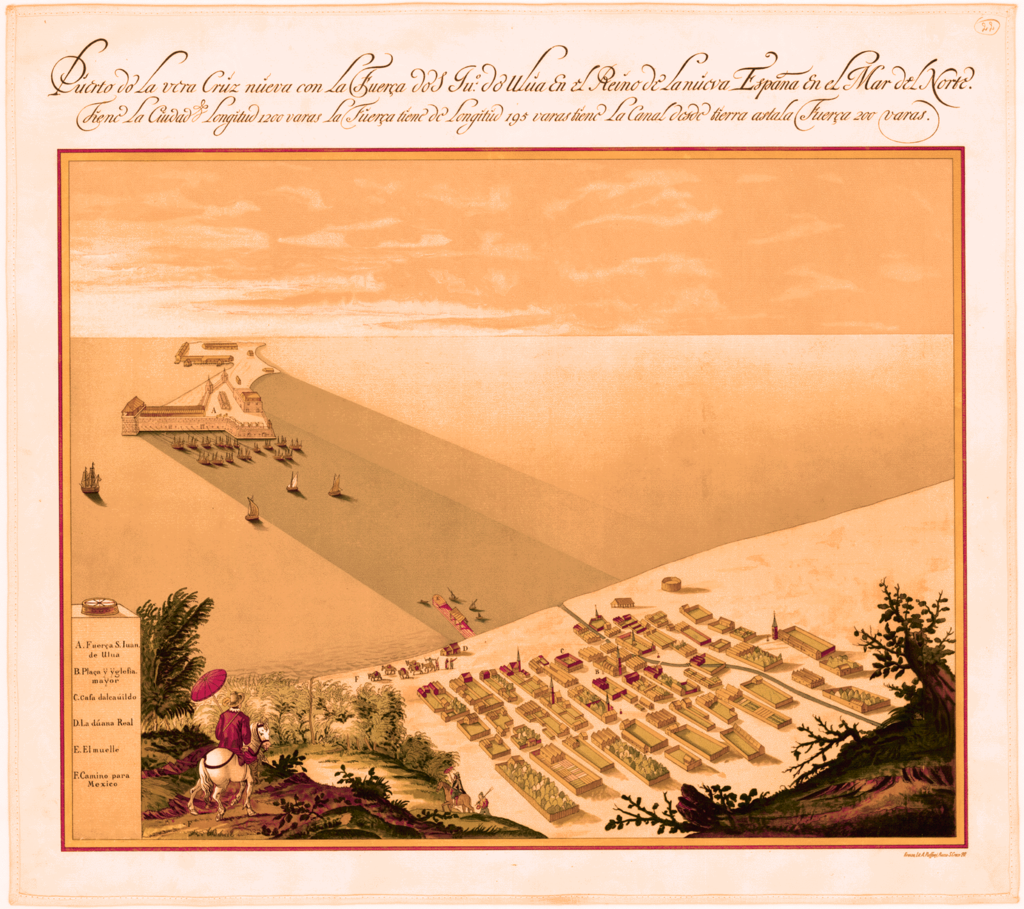
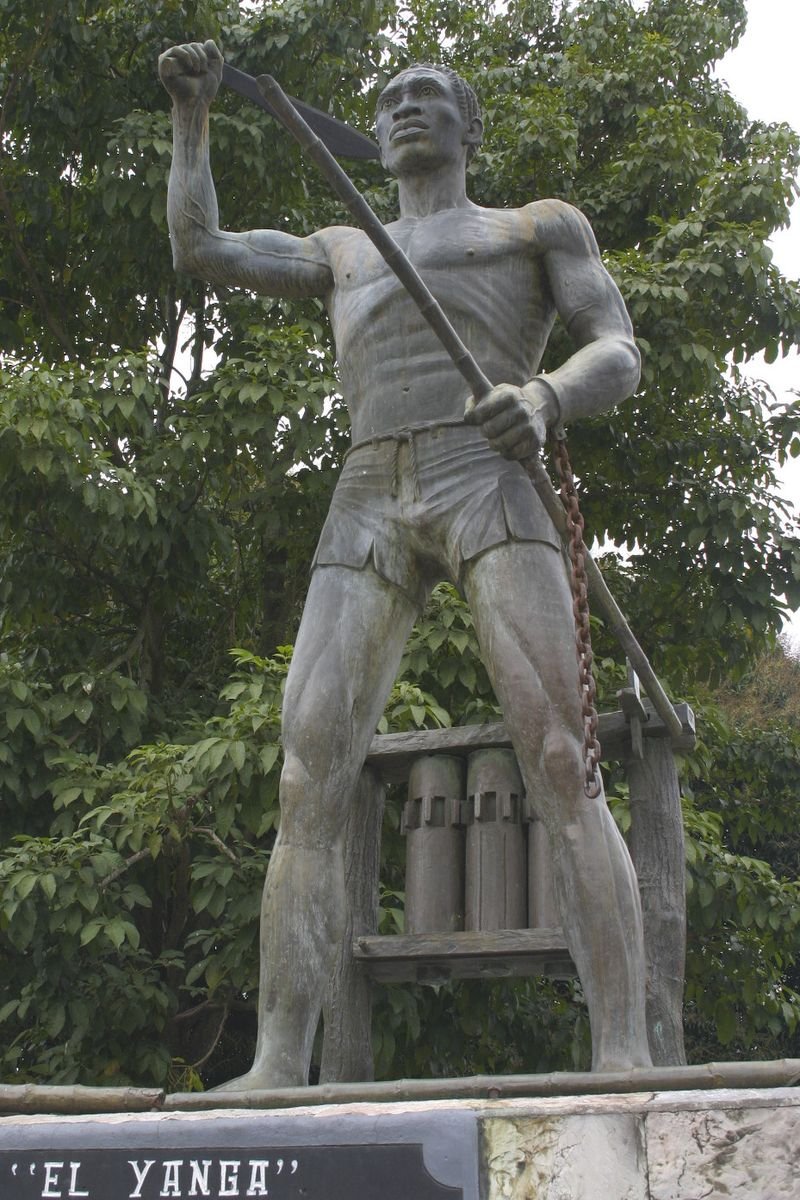
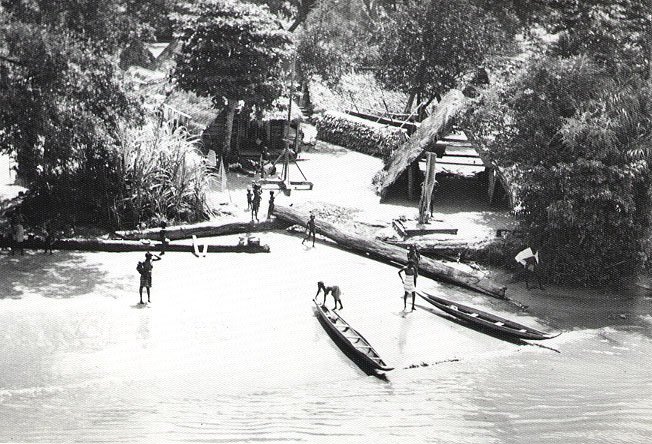
Gaspar Yanga was possibly born as royalty, although no one is sure, but when he died he was certainly considered by many to be a king. Captured in Africa, brought to the Americas, he soon escaped enslavement near Veracruz in today’s Mexico. He soon became the leader of a community of others who escaped, but they were hunted by the Spanish authorities. Yanga led the resistance, and won, not only the freedom of him and his people, but also official recognition by the crown.
8.9 - Gaspar Yanga
The Almost Forgotten

Sources

  • Marisela Jiménez Ramos, Black Mexico: Nineteenth-Century Discourses of Race and Nation

  • “El Primer Libertador de las Americas"/The First Liberator of the Americas”, Callaloo, Yanga, Mata Clara and Nearby Villages: Africa in Contemporary Mexico

  • David M. Davidson, Negro Slave Control and Resistance in Colonial Mexico, 1519-1650

  • Encyclopedia of Slave Resistance and Rebellion, “Gaspar Yanga’

Names Mentioned

Episode 8.8 - Abbas the Great

Abbas the Great, the shah of the Safavid empire, was great military leader, reformer, and diplomat. He took a shrinking, disintegrating Persian empire and enabled it to grow its greatest extent, in no small part because of his own personal military campaigns

8.8 - Abbas the Great
The Almost Forgotten

Sources

  • Eskander Beg Monshi, History of Shah Abbas the Great, translation by Roger M. Savory

  • Cambridge History of Iran, “Ch 4 The Turkmen Dynasties”

  • Cambridge History of Iran, “Ch 5, The Safavid Period”

  • Cambridge History of Islam, “Ch 5, Safavid Persia”

Names Mentioned

Episode 8.7 - Ram Khamhaeng

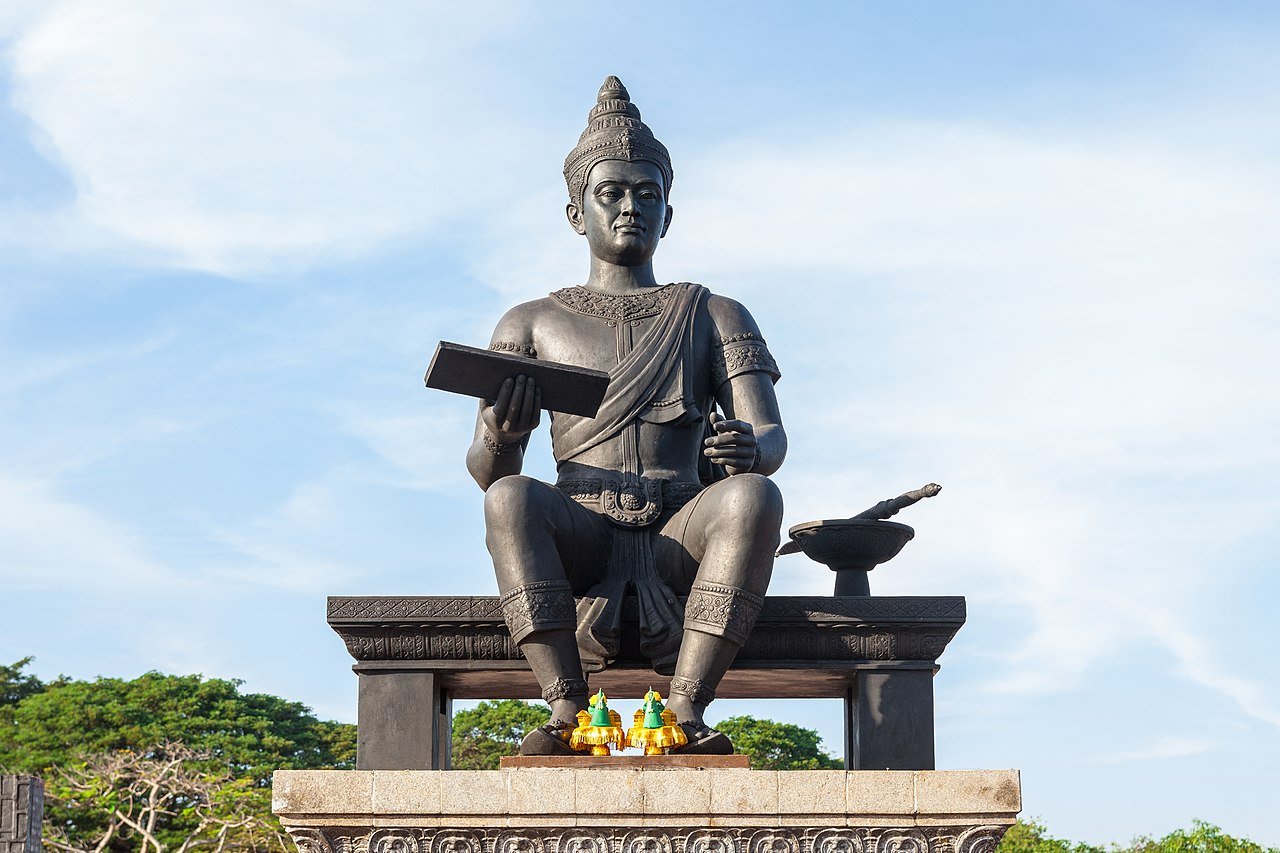
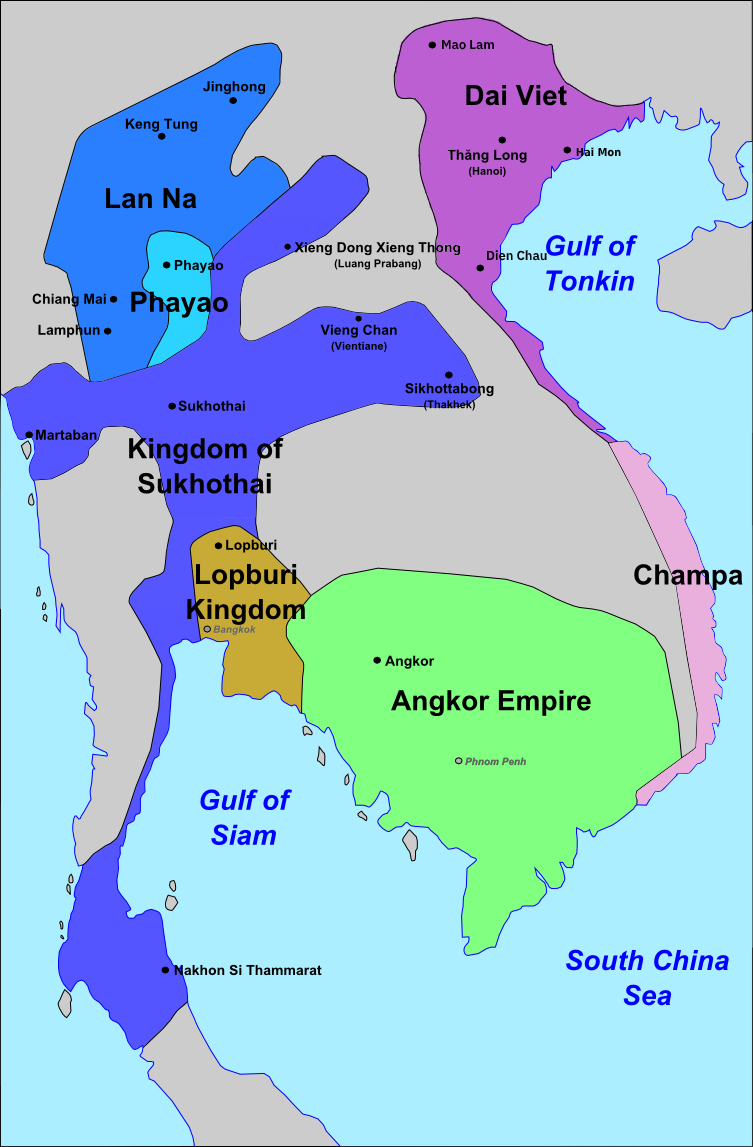
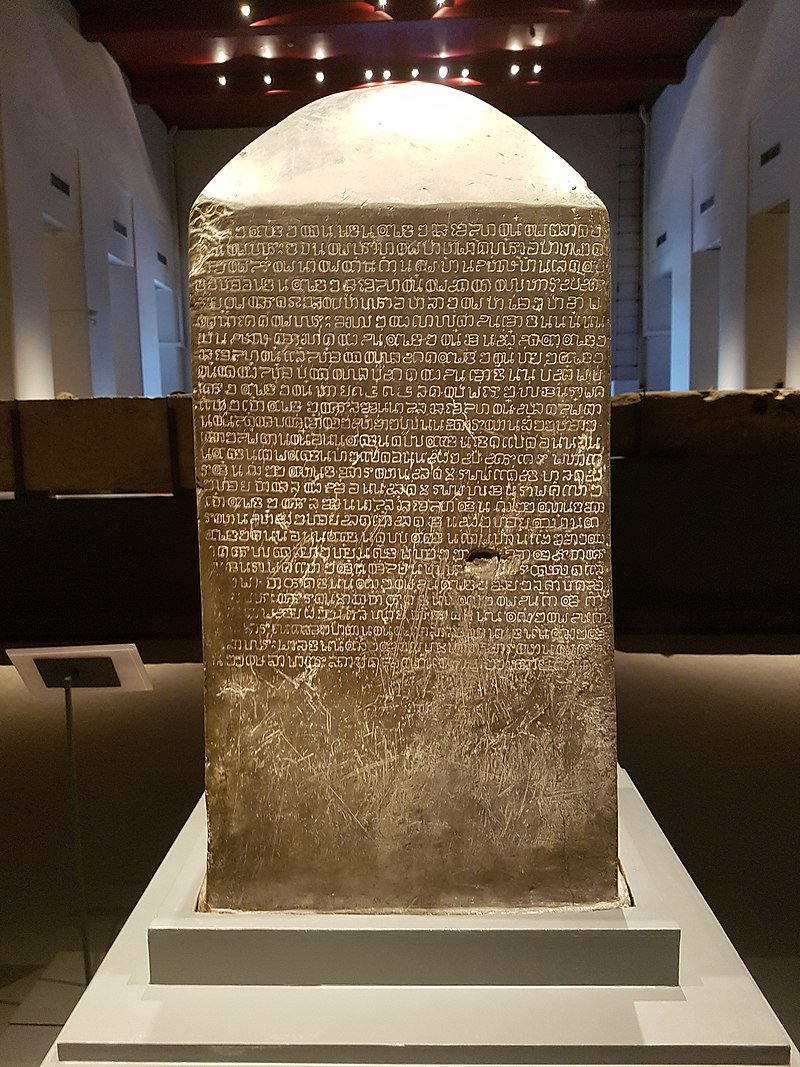
Ram Khamhaeng was the king of Sukhothai, and he ruled on of the first truly Tai-led kingdoms that was able to unite the surrounding states into something bigger. His success helped to unify the people and define the culture of what would persist in Thailand to this day.

8.7 - Ram Khamhaeng
The Almost Forgotten

Sources

  • George Cœdès, The Origins of the Sukhodaya Dynasty

  • George Cœdès, The Indianize States of Southeast Asia

  • David K. Wyatt, Thailand: A Short History

  • Cheuy Suetrong, “Reflections on King Ram Khahhaen of Sukhothai”, Crossroads: An Interdisciplinary Journal of Southeast Asian Studies

Names Mentioned
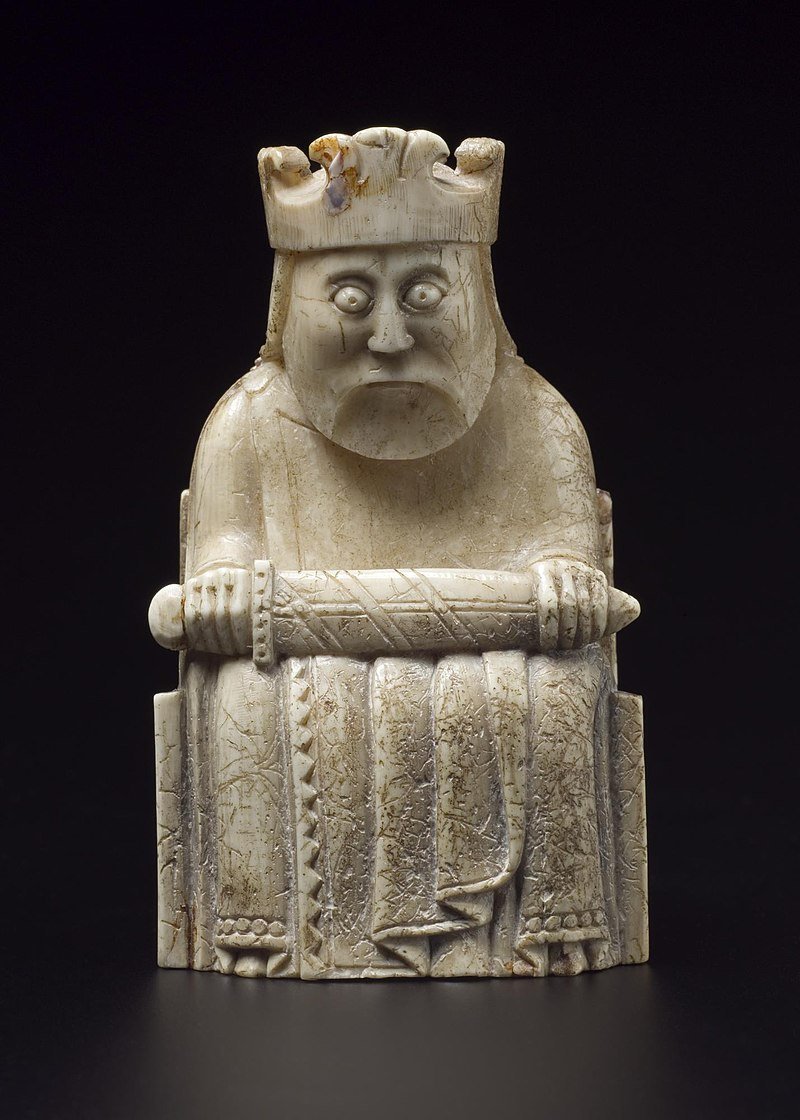
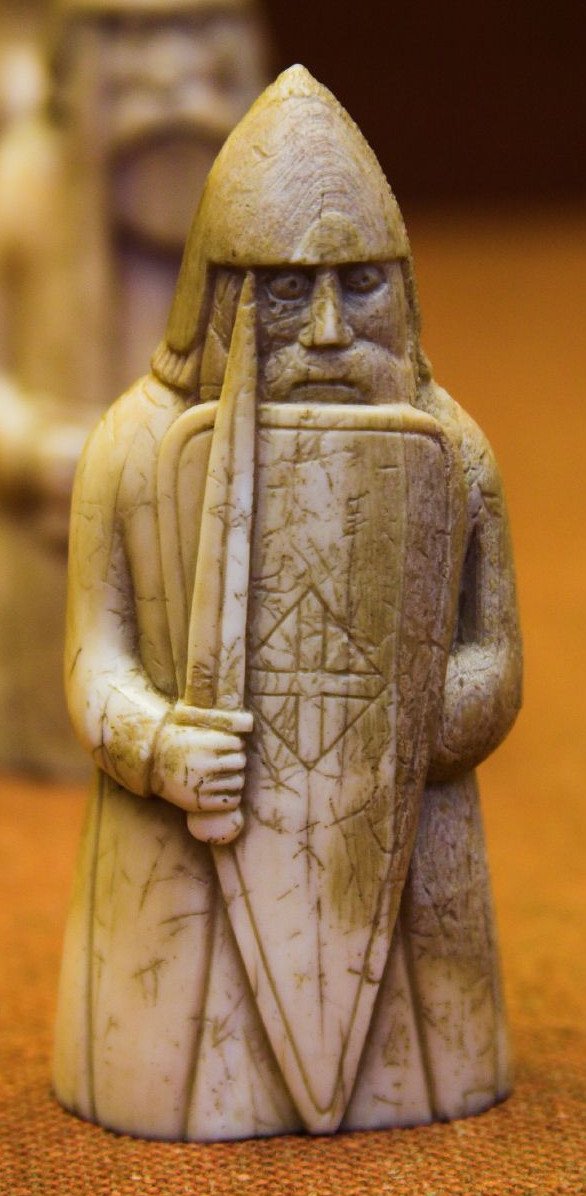
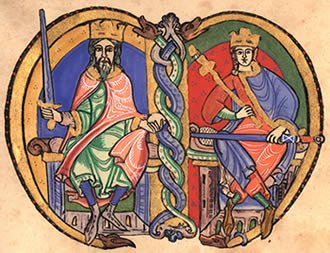
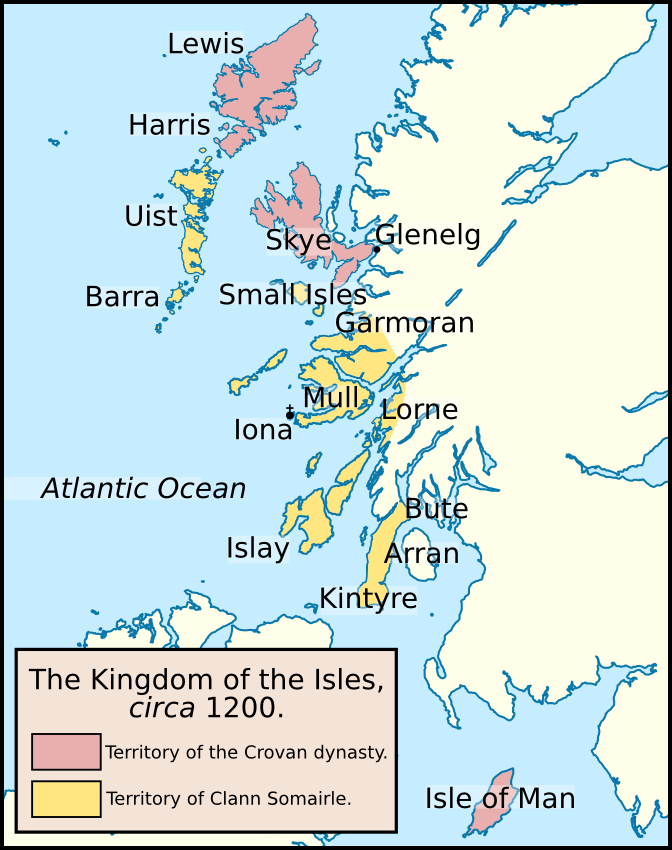
Episode 8.6 - Somerled

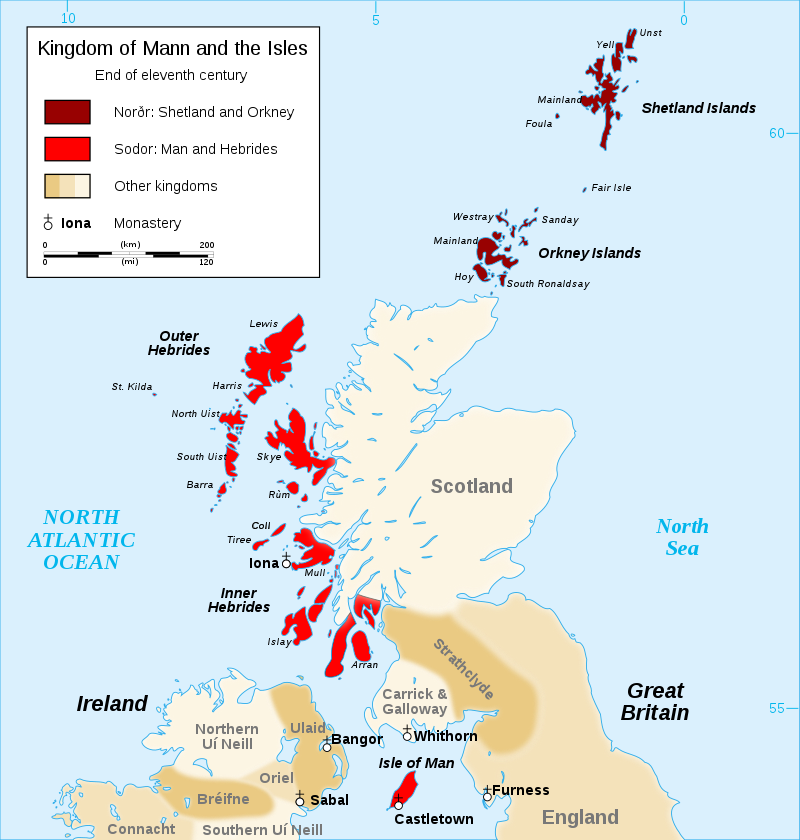
Somerled was a Norse-Gael like born in what is today western Scotland, on the lands bordering the Irish Sea and the North Channel. He became King of the Isles, ruling many of those that the Vikings had taken over of the prior centuries. Despite his Viking heritage, while much of eastern Scotland was Anglo-Normanizing, he helped served as a bridge from the Viking Age to a Gaelic Scotland.

8.6 - Somerled
The Almost Forgotten

Sources

  • Duncan and Brown, Argyll and the Isles in the Earlier Middle Ages

  • R.C. MacLeod, “The Norsemen in the Hebrides”, The Scottish Historical Review

  • Patrick Wadden, “Do Feartaib Cairnich”, Ireland and Scotland in the Twelfth Century

  • Duncan McCallum, The History of the Ancient Scots

  • W.D.H. Seller, The Origins and Ancestry of Somerled

Names Mentioned
Episode 8.5 - Tamar the Great

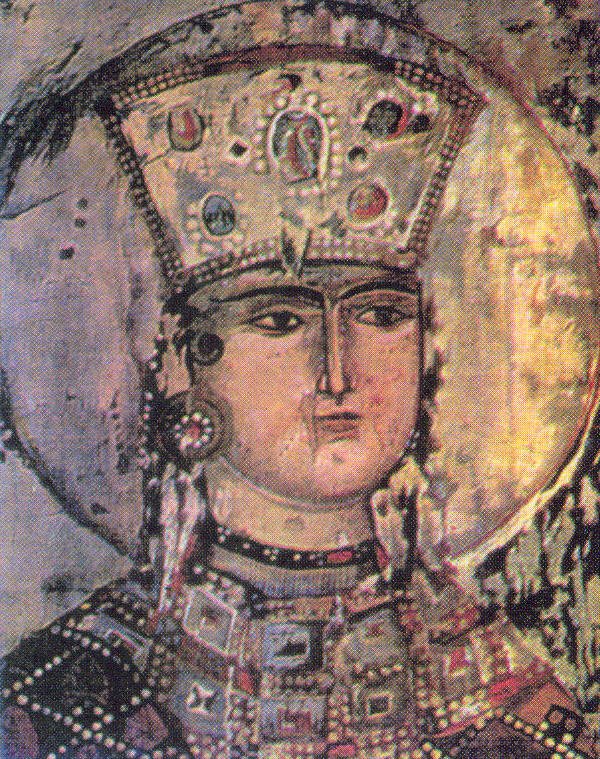
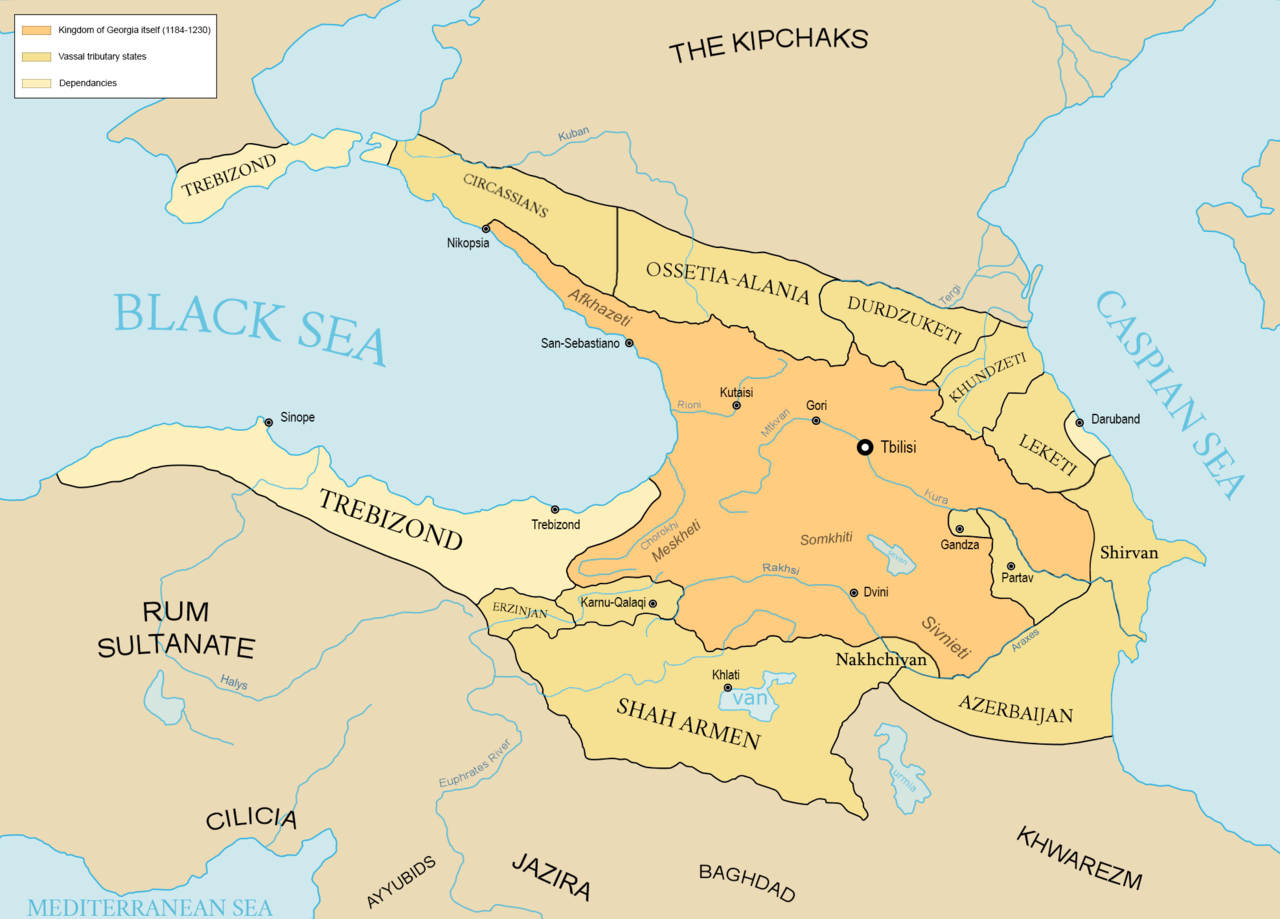
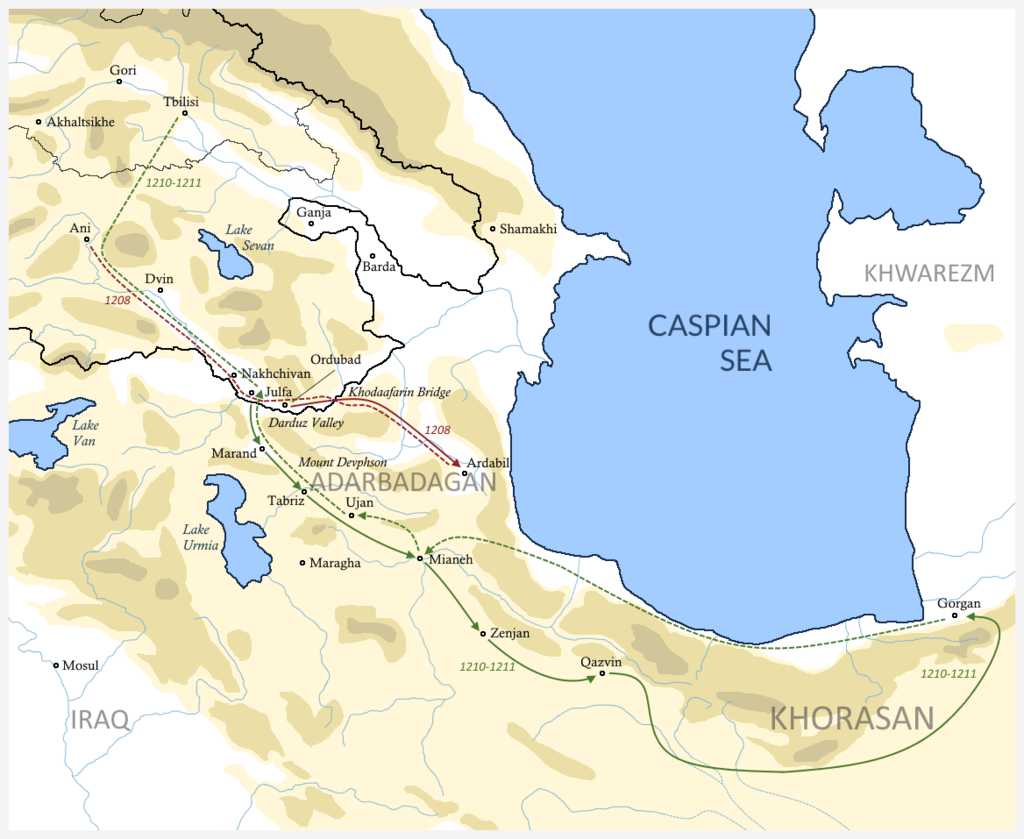
Tamar the Great built on the legacy of her great grandfather David the Builder. Under her rule, Georgia grew to its largest geographic extent, held off enemies and conquered new lands. Culture flourished under her rule, leading many to consider it the peak of Georgia’s golden age.

8.5 - Tamar the Great
The Almost Forgotten

Sources

  • Donald Rayfield, Edge of Empires: A History of Georgia

  • George Anchabadze, A History of Georgia

  • Ronald Grigor Suny, The Making of the Georgian Nation

  • Cyril Toumanoff, Cambridge History

  • A.C.S. Peacock, “Georgia and the Anatolian Turks in the 12th and 13th Centuries”, Anatolian Studies

Names Mentioned

Episode 8.4 - David the Builder

David became king of Georgia after it had been devastated by years of Turkish pillaging. He pushed the invaders out and restored the fortunes of his relatively new kingdom. By the time he died, Georgia neared the apex of its power, ruled most of the southern caucuses, and had entered a Golden Age.

8.4 - David the Builder
The Almost Forgotten

Sources

  • Donald Rayfield, Edge of Empires: A History of Georgia

  • George Anchabadze, A History of Georgia

  • Ronald Grigor Suny, The Making of the Georgian Nation

  • Cyril Toumanoff, Cambridge History

  • A.C.S. Peacock, “Georgia and the Anatolian Turks in the 12th and 13th Centuries”, Anatolian Studies

Names Mentioned
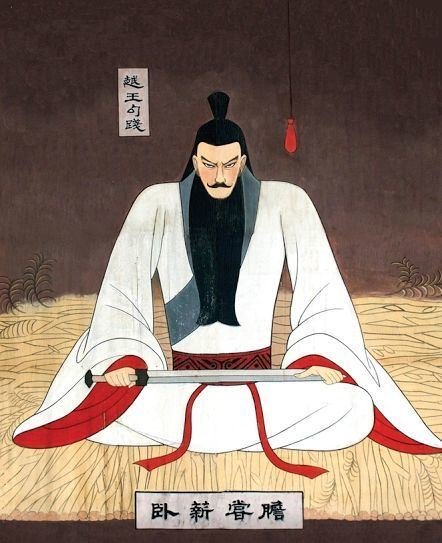
Episode 8.3 - Dinh Bo Linh

One of several Viet leaders who helped his land on the road to sovereignty, Dinh Bo Linh united the land of An Nam, a Chinese protectorate that had gained some amount of autonomy, and brought it to full independence as the kingdom of Nam Viet.

8.3 - Dinh Bo Linh
The Almost Forgotten

Sources

  • Kevin Weller Taylor, The Birth of Vietnam

  • Kevin Weller Taylor, Journal of Southeast Asian Studies, “The ‘Twelve Lords’ in Tenth-Century Vietnam”

  • John K. Whitmore and Brian Zottoli, Cambridge History of China, Chapter 5 “The Emergence of the State of Vietnam”

  • Cambridge History of Southeast Asia, Chapter 3 “The Early Kingdoms”

  • Nam Kim, Asian Perspectives, “Cultural Landscapes of War and Political Regeneration”

Names Mentioned
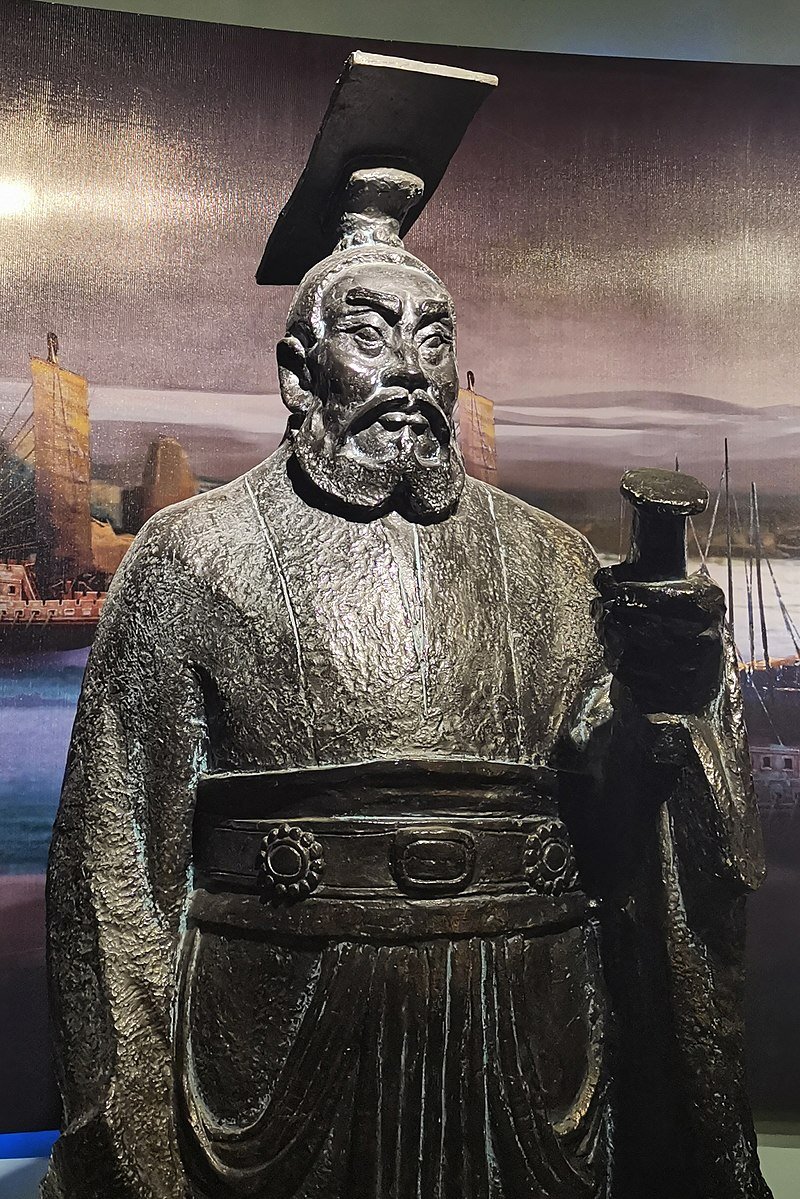
Episode 8.2 - Goujian

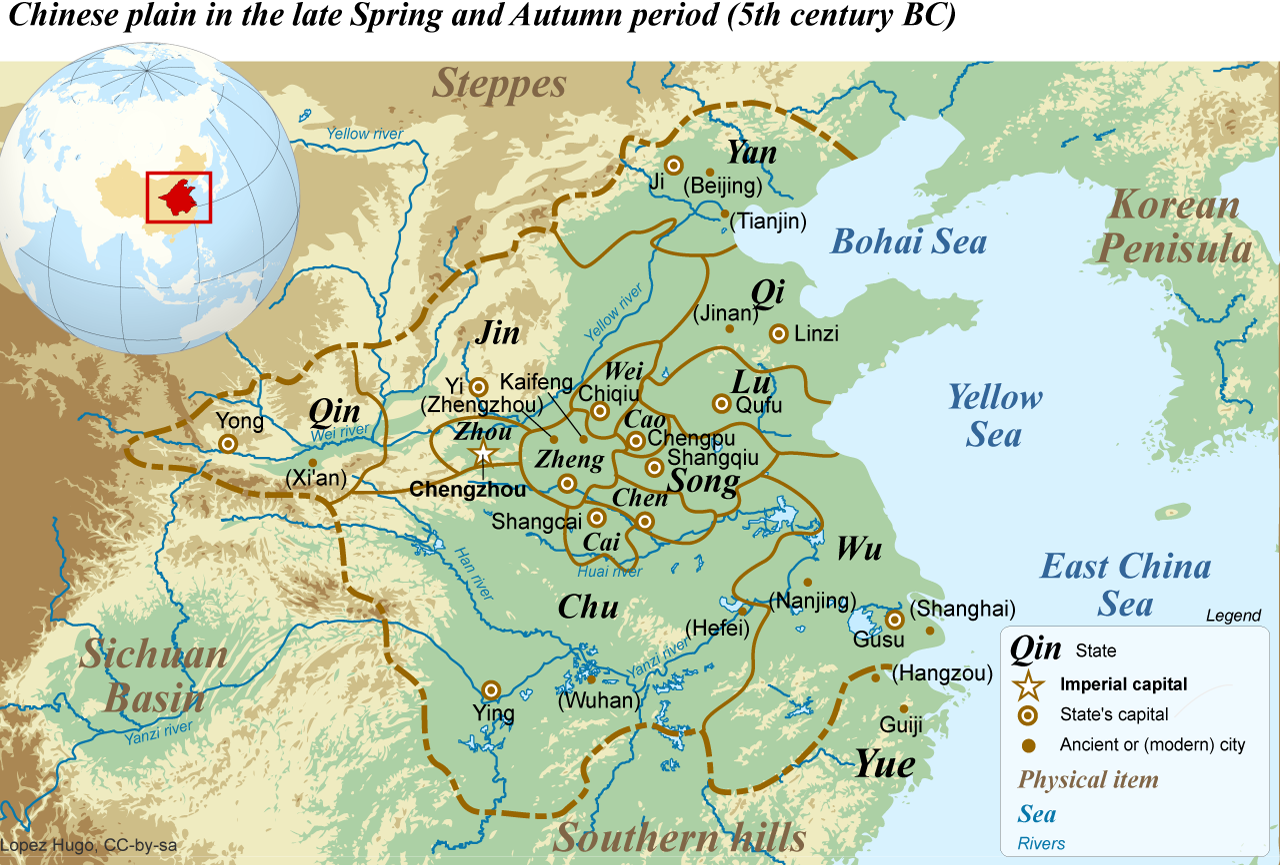
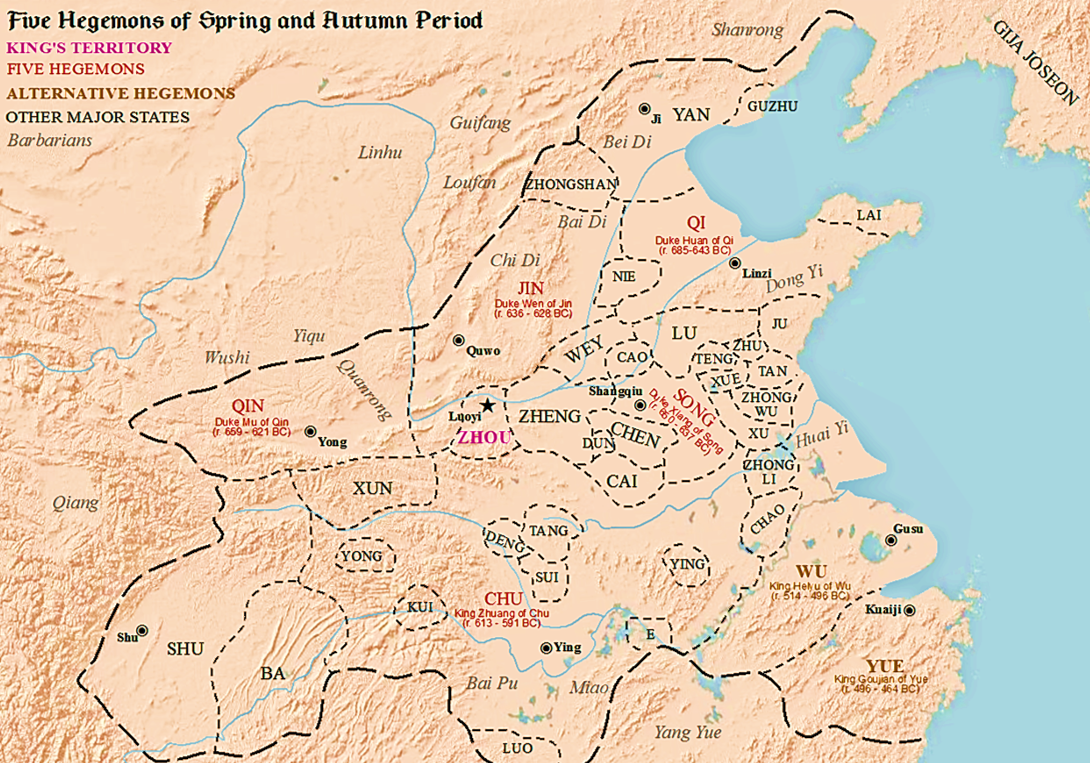
Goujian was the king of Yue at the end of Ancient China’s Spring and Autumn Period. He was defeated by the state of Wu and taken captive, where he served as a slave and plotted his revenge. Eventually returning to his own kingdom, his dedication to getting his revenge has become something of legends.

8.02 - Goujian
The Almost Forgotten

Sources:

  • Paul A. Cohen, Speaking to History: The Story of King Goujian in Twentieth-Century China

  • Cho-yun Hsu, Cambridge History of China, The Spring and Autumn Period

Names Mentioned:

Episode 8.1 - Gungunum

In the 20th century BC, Gungunum made himself king of the Sumerian city of Larsa. He brought Larsa from an inconsequential minor city to the dominant city state in Sumer, allowing him to claim the title of King of Sumer. His was the last dynasty that could be considered Sumerian, before the region shifted to what we now call Babylonia

8.01 - Gungunum
The Almost Forgotten

Sources

  • Madeleine Andre Fitzgerald, “The Rulers of Larsa”

  • Samuel Noah Kramer, The Sumerians: Their History, Culture, and Character

  • Bill T. Arnold, Who Were the Babylonians?

  • The Cambridge Ancient History, Chapter XXIII - Persia c. 2400-1800 B.C.

  • George G. Cameron, History of Early Iran

  • C. Leonard Woolley, The Sumerians

  • Patrick Carleton, Buried Empires

  • L. Delaport and V. Gordon Childe, Mesopotamia: The Babylonian and Assyrian civilization

  • Leonard William King, A History Of Babylon From The Foundation Of The Monarchy To The Persian Conquest

  • William Hallo, “The Last Years of the Kings of Isin”, The Journal of Near Eastern Studies

Names Mentioned
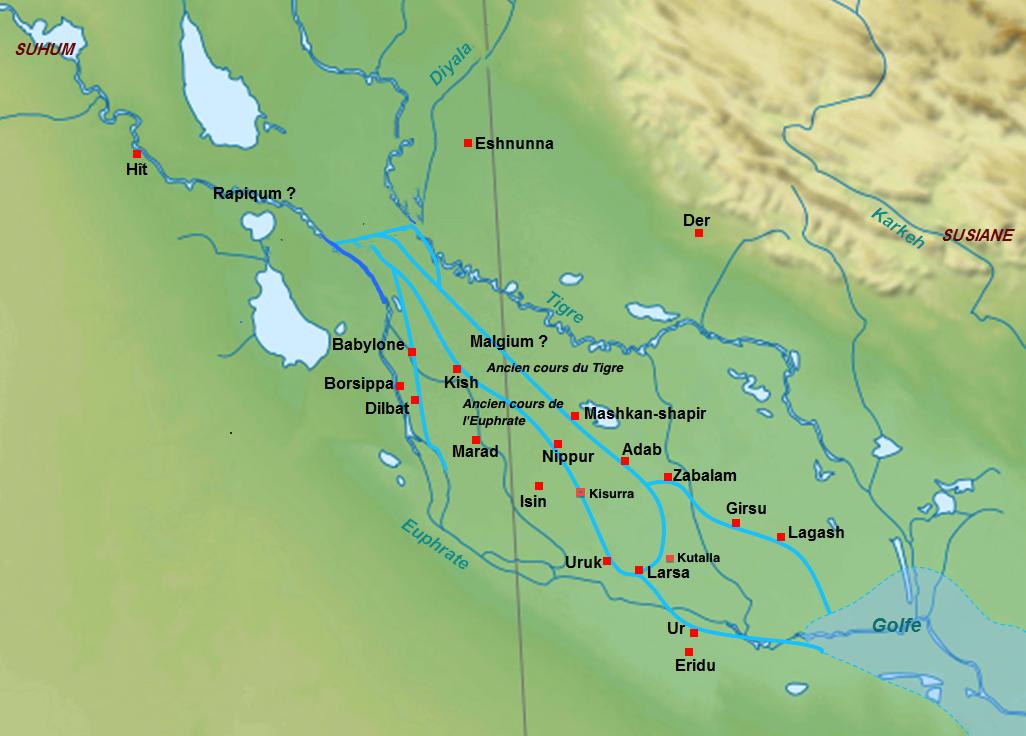
Episode 7.10 - Jacob Kettler

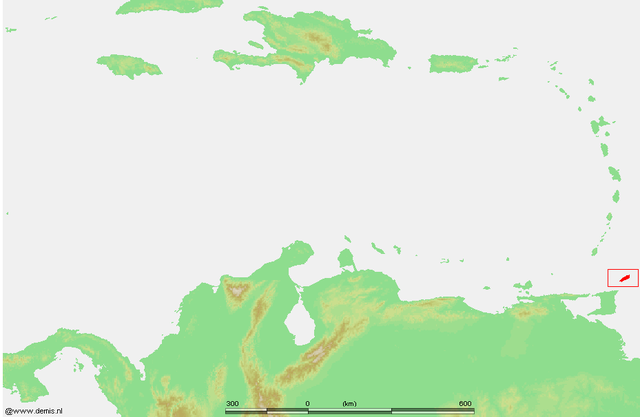
Jacob Kettler was the Baltic German Duke of Courland and Semigallia, part of the Polish-Lithuanian Commonwealth in the 17th century. Kettler decided the best way to modernize his duchy was to copy the major powers of Western Europe, by making the Duchy of Courland a colonial power.

7.10 - Jacob Kettler
The Almost Forgotten

Sources

  • Karin Jekabsen-Lemanis, “Balts in the Caribbean: The Duchy of Courland's attempts to colonize Tobago Island, 1638 to 1654”, Caribbean Quarterly , June 2000

  • Edgar Anderson, “The Couronians and The West Indies, The First Settlements”, Caribbean Quarterly, June, 1959

  • National History Museum of Latvia, The Duchy of Courland and Semigallia. 1561-1795

  • Allgemaine Deutsche Biographie

Names Mentioned

Episode 7.9 - Matthias Corvinus

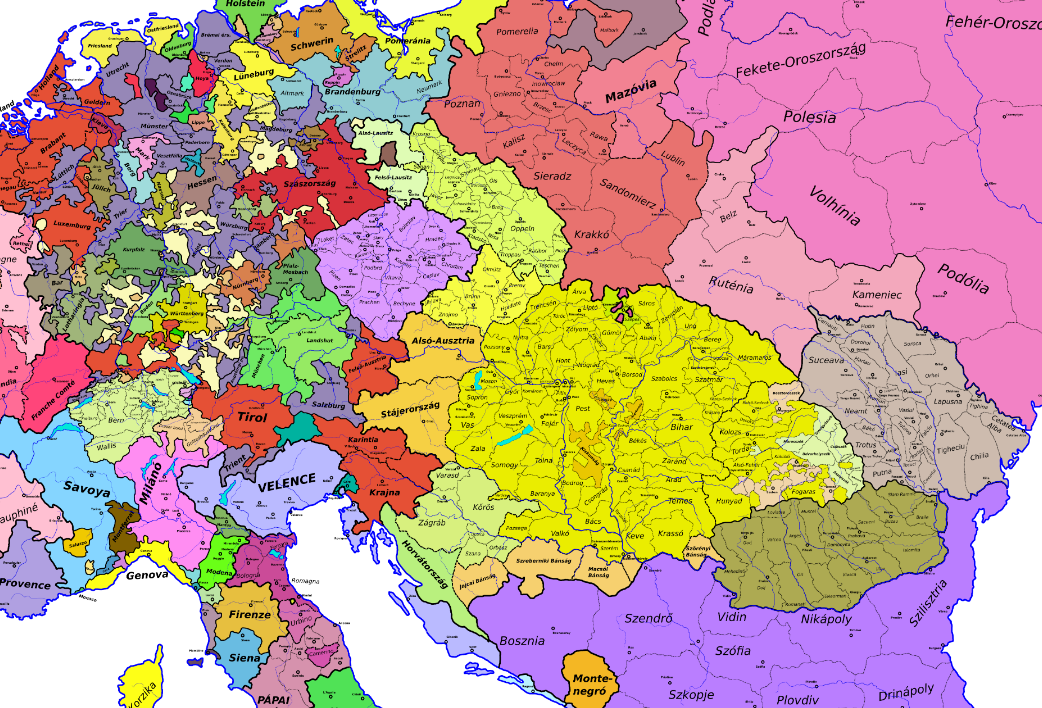
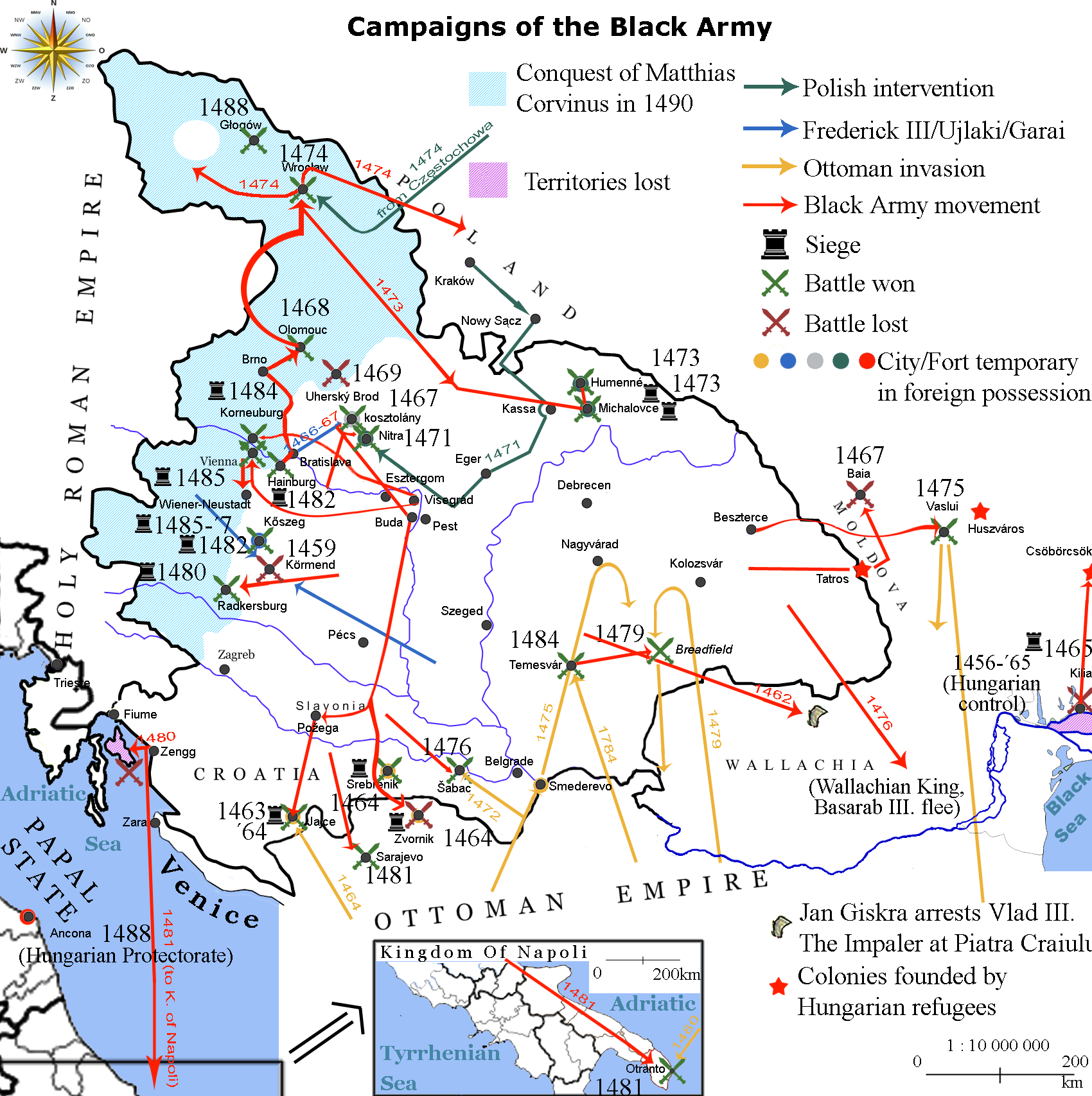
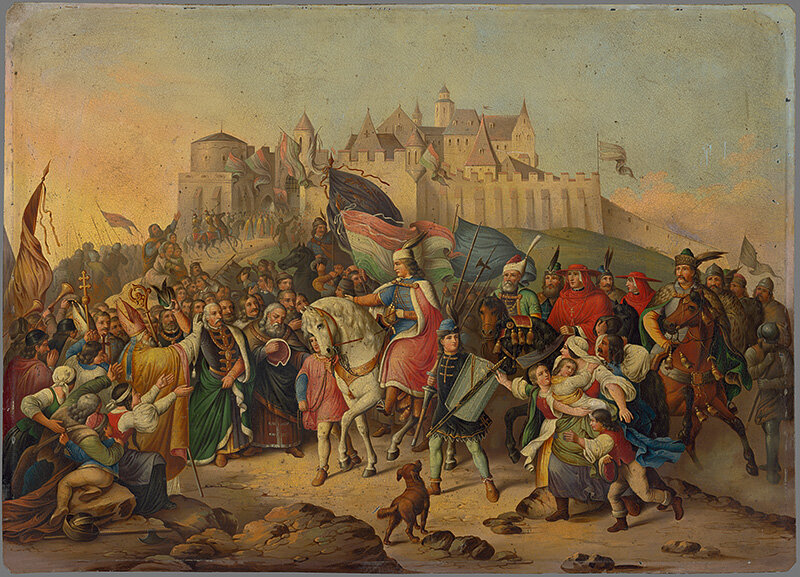
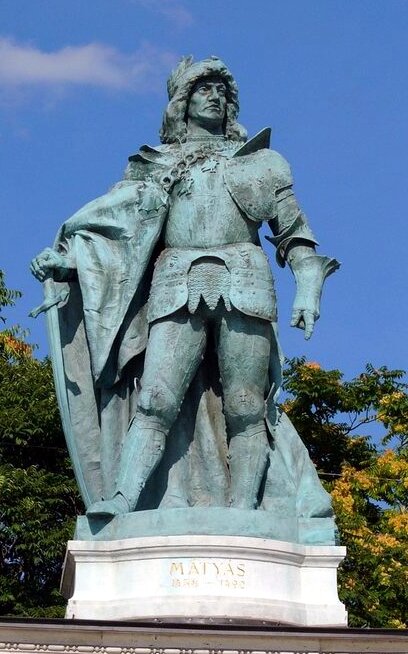
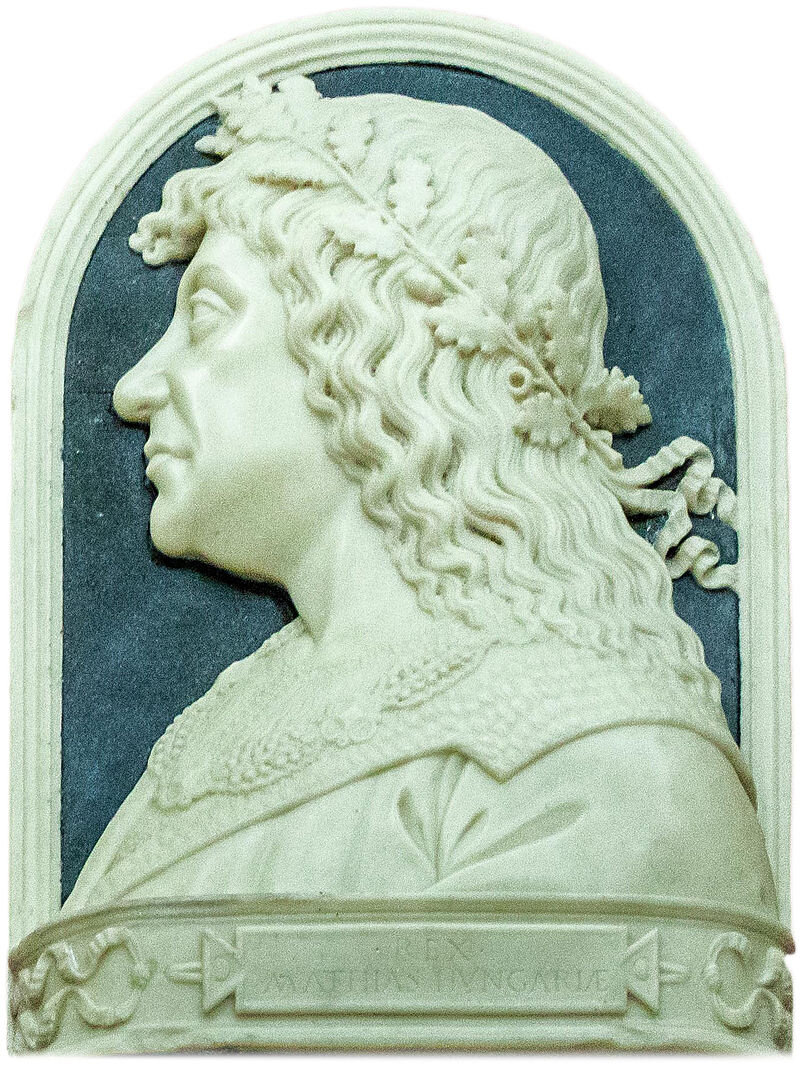
Matthias Corvinus became King of Hungary as it was beginning to deal with the Ottoman threat. He united the fractured kingdom, bringing powerful magnates to heel and creating a strong centralized state. He created a significant power in Southeast Europe that was able to hold of the Ottomans and take lands from the Holy Roman Empire.

7.9 - Matthias Corvinus
The Almost Forgotten

Sources

  • Janos Bak, A History of Hungary

  • Miklos Molnar, A Concise History of Hungary

  • Janos Bak, New Cambridge Medieval History, “Hungary: Crown and Estates”

Names Mentioned
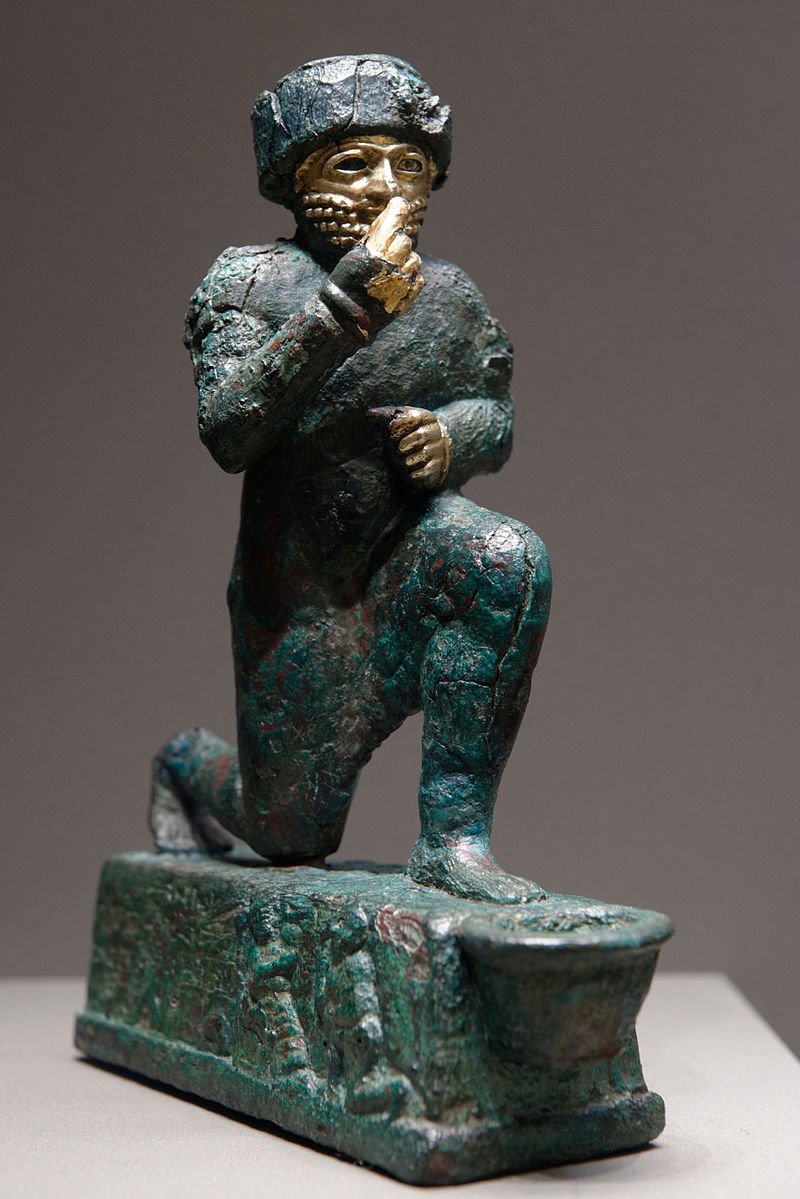
Episode 7.8 - Margaret I of Denmark

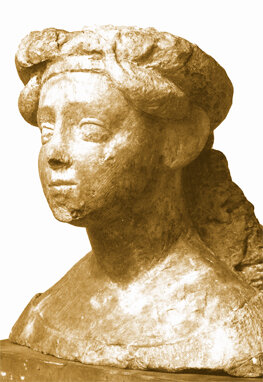
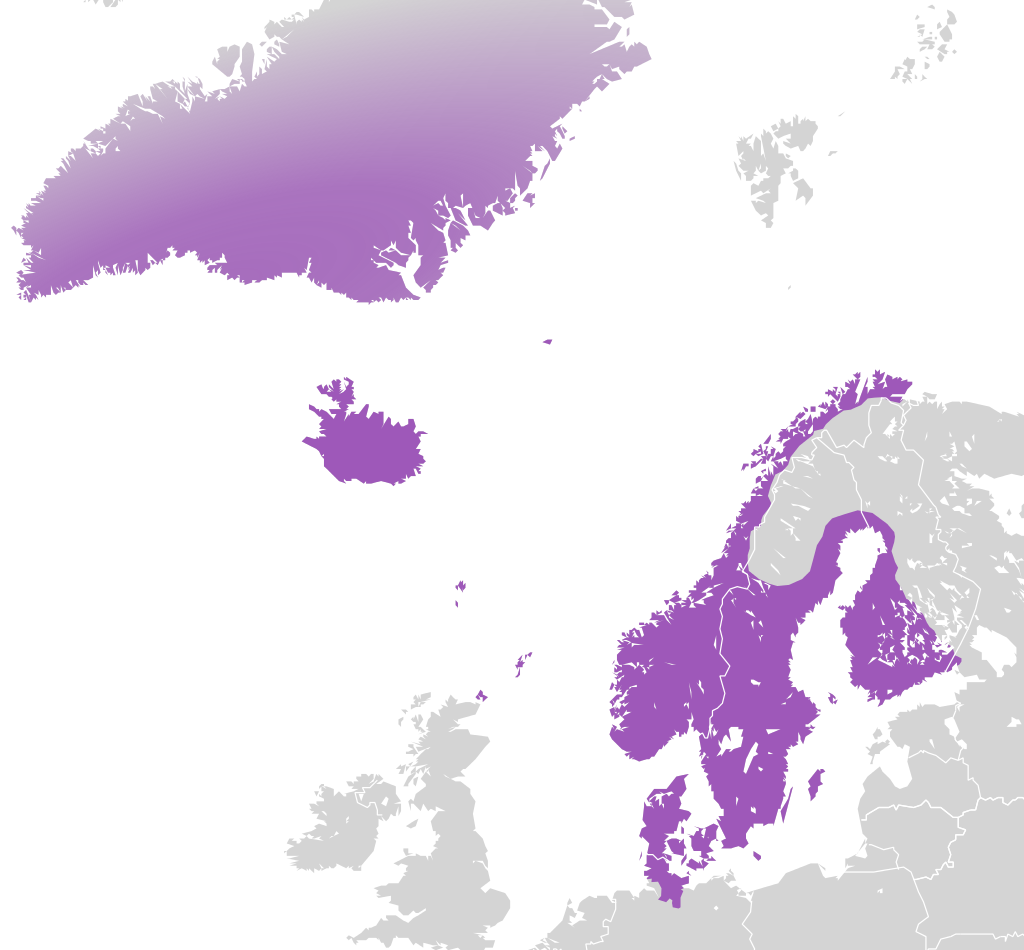
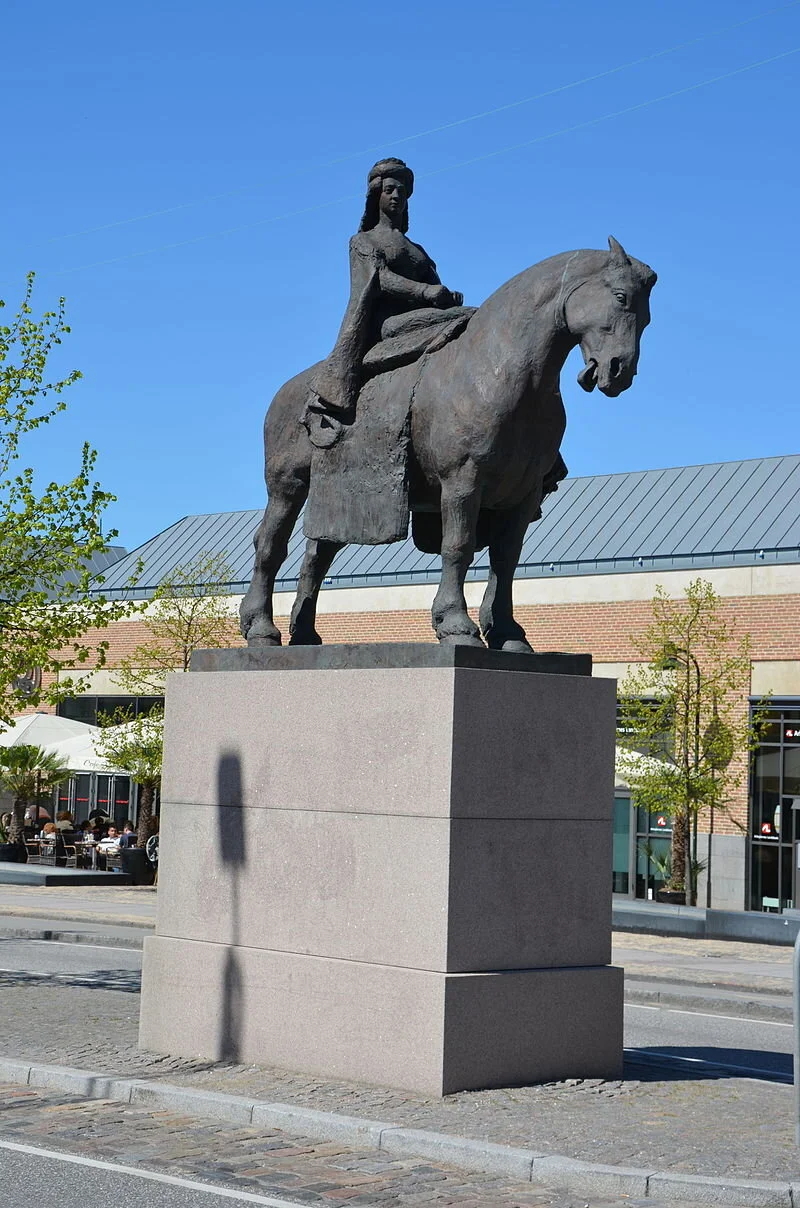
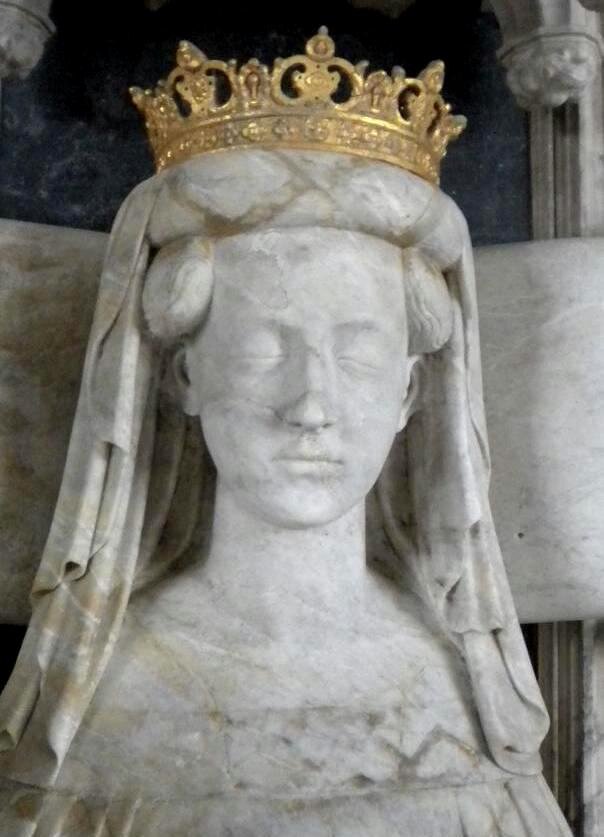
Margaret lived in the late 14th and early 15th centuries, and was the daughter of the King of Denmark. Despite obstacles, and general opposition to ruling queens at the time, she not only became the Queen of Denmark, she also was able to gain the crown of two more Scandinavian kingdoms, uniting them in a personal union that last more than century.

7.8 - Margaret I of Denmark
The Almost Forgotten

Sources

  • Mary Hill, Margaret of Denmark

  • Knut Gjerset, The History of the Norwegian People

  • S.C. Rowell, New Cambridge Medieval History Volume 6 – Baltic Europe

Names Mentioned
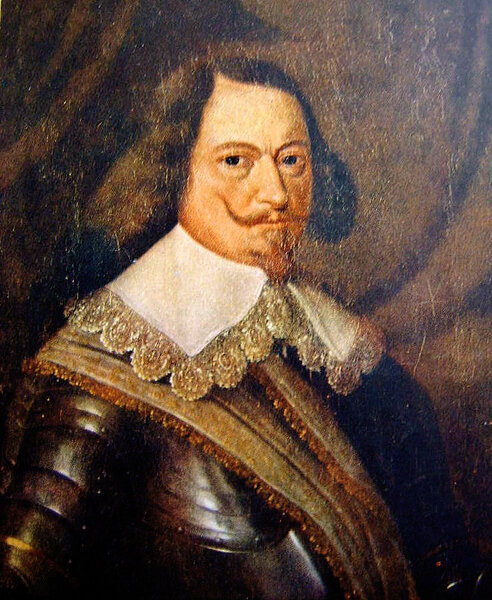
Episode 7.7 - Alauddin Khalji

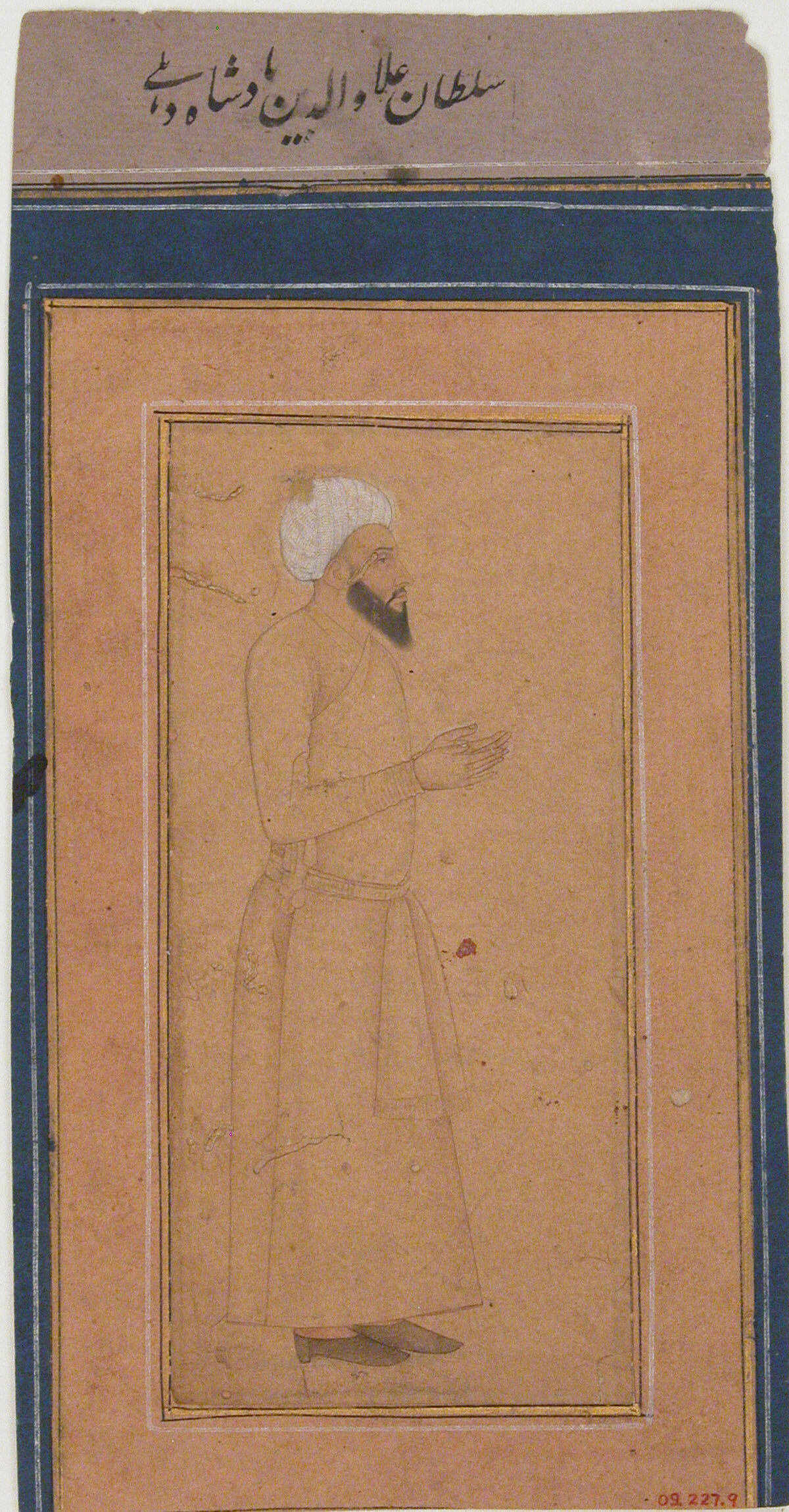
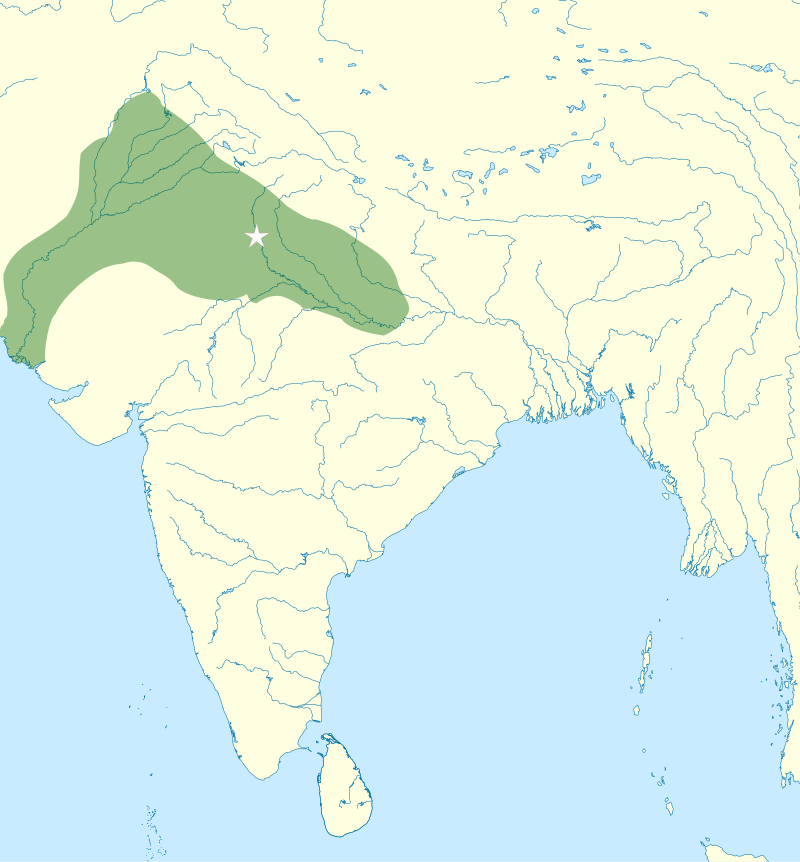
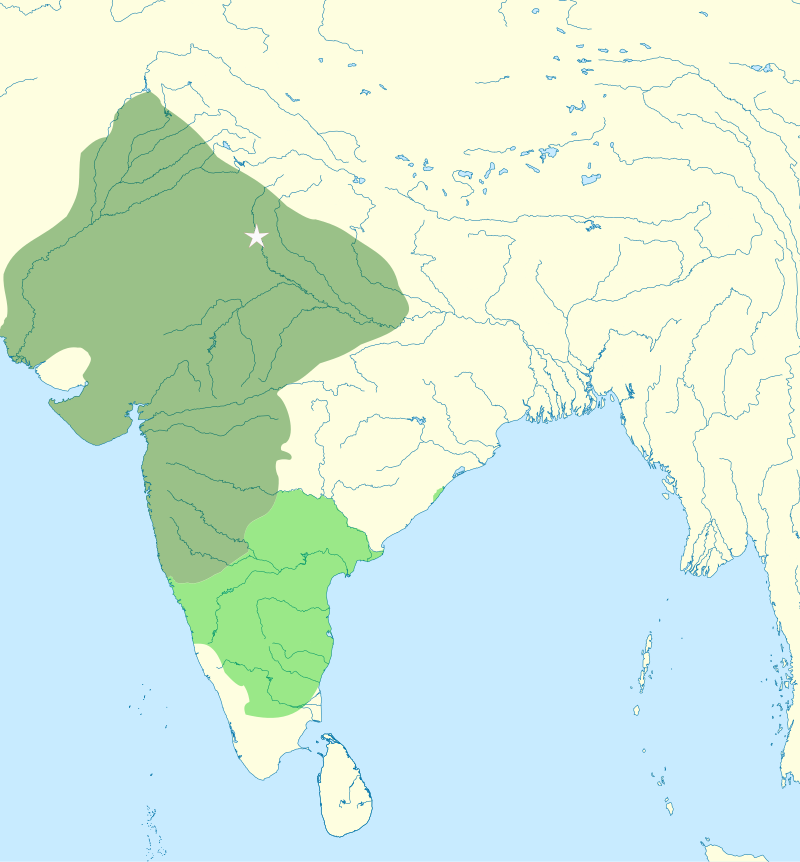
Alauddin Khalji became the Sultan of Delhi, and greatly expanded the kingdom. He fended off multiple Mongol invasions, and he in turn invaded most of the Indian subcontinent to his south. He turned a relatively small Sultanate into a great power, and ruled over most of India.

7.7 - Alauddin Khalji
The Almost Forgotten

Sources

  • K.S. Lal, History of the Khaljis

  • N.C. Banerji, Life and Times of Sultan Alauddin Khalji”, Proceedings of the Indian History Congress

  • Cambridge History of India Chapter 2 - The Medieval Past: Continuity and Disjunction

Names Mentioned
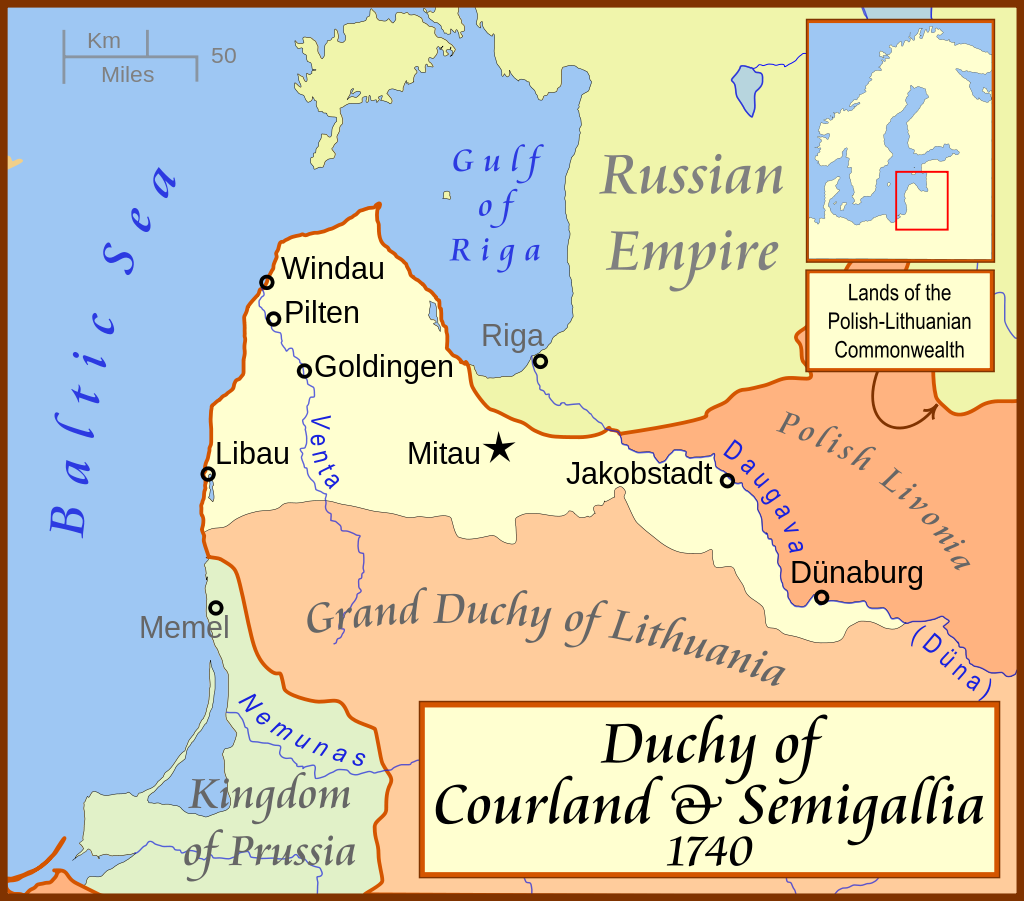
Episode 7.6 - Baibars

Baibars was the Sultan of Egypt and Syria in the 13th century. Born on the Eurasian Steppe, he was enslaved as a teen, and became a slave soldier. He rose through the ranks to become a general, and eventually the Sultan of Cairo. He helped stop the Mongol advance into the Levant, and effectively ended the Crusades in the Middle East. And he stabilized the Cairo Sultanate for generations.

7.6 - Baibars
The Almost Forgotten

Sources

  • Abul-Aziz Khowaiter, Baibars The First

  • Christian Müller and Johannes Pahlitzsch, Arabica, “Sultan Baybars I and the Georgians”

  • Edmond Shutz, Acta Orientalia Academiae Scientiarum Hungaricae, “The Decisive Motives of Tatar Failure in the Ilkhanid - Mamluk Fights in the Holt Land”

  • Amina A Elbendary, The Sultan, The Tyrant, and The Hero: Changing Medieval Perceptions of al-Zahir Baybars

  • D. J. Cathcart King, “The taking of Le Krak des Chevaliers in 1271”

Names Mentioned

Episode 7.5 - Liutprand

The Lombards made their way into Italy in the 6th century, and were the bridge between the rule there of Roman Empires, both Western and Eastern, and the Holy Roman Empire. Liutprand was perhaps their greatest king, pulling together a kingdom from the various disunited Lombard dukedoms and creating a state that was the most powerful one on the peninsula for centuries earlier.

7.5 - Liutprand
The Almost Forgotten

Sources

  • Paul the Deacon, Historia Langobardum, translated by William Dudley Foulke

  • Neil Christie, The Ancient Langobards

  • David Harry Miller, “Papal-Lombard Relations during the Pontificate of Pope Paul I”, The Catholic Historical Review

  • Jan T. Hallenbeck, Pavia and Rome: The Lombard Monarchy and the Papacy in the Eighth Century

Names Mentioned
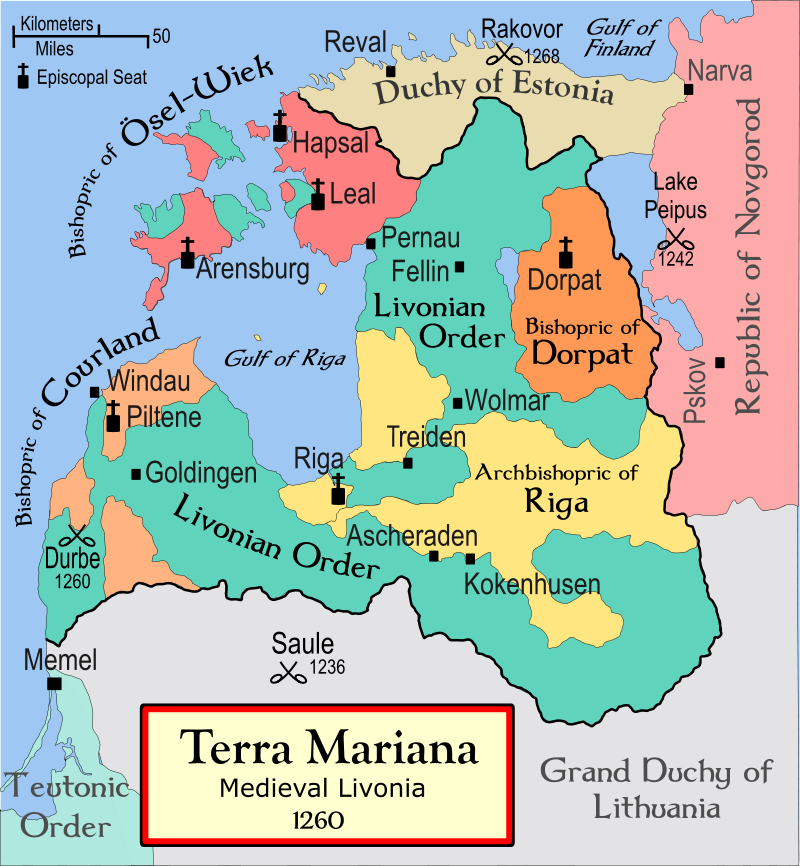
Episode 7.4 - Songsten Gampo

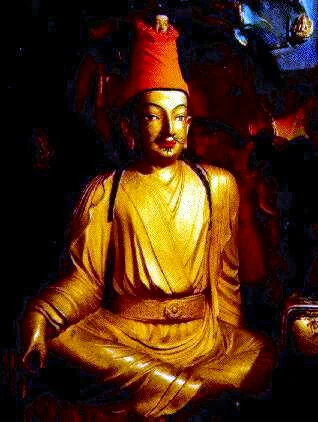
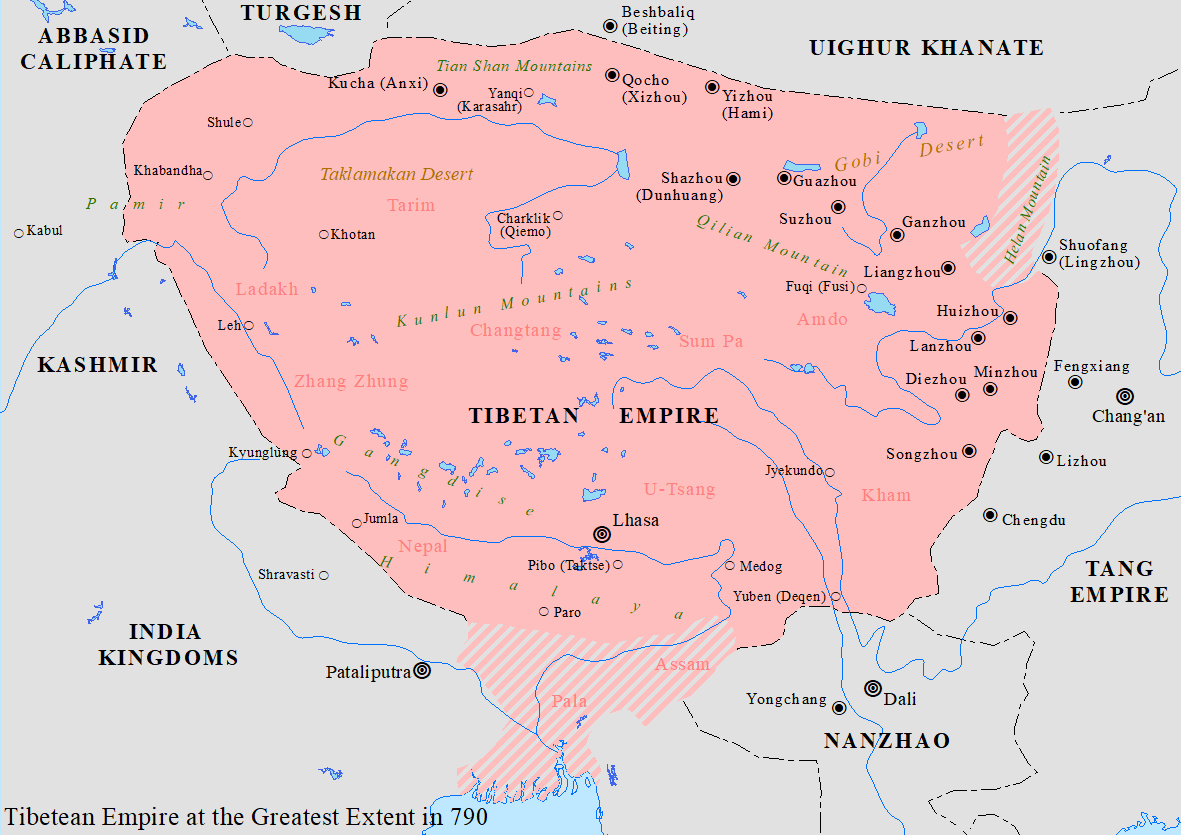
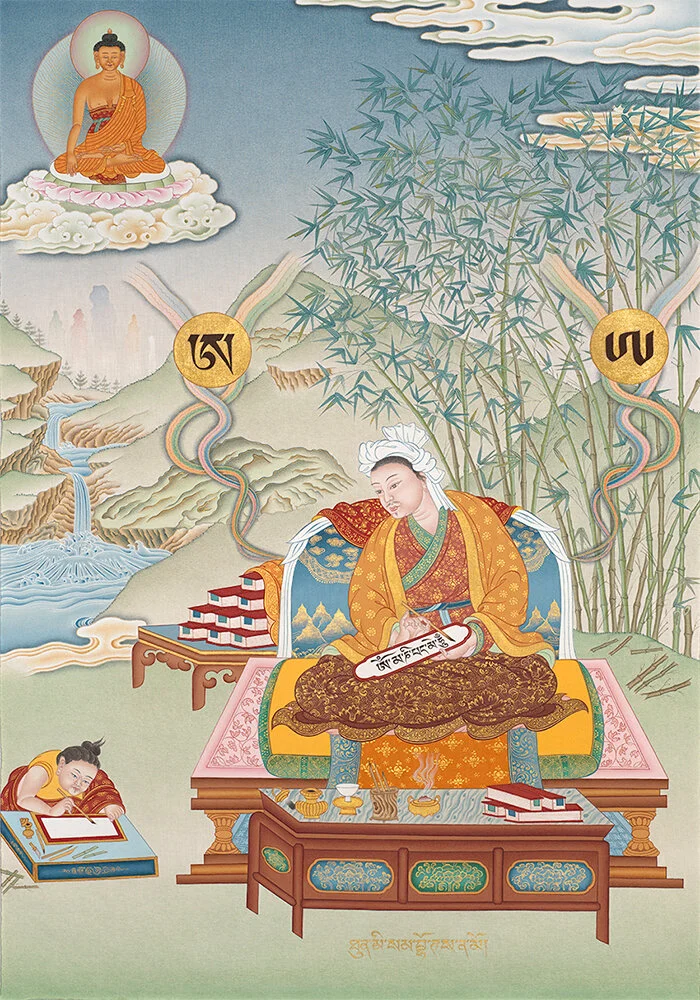
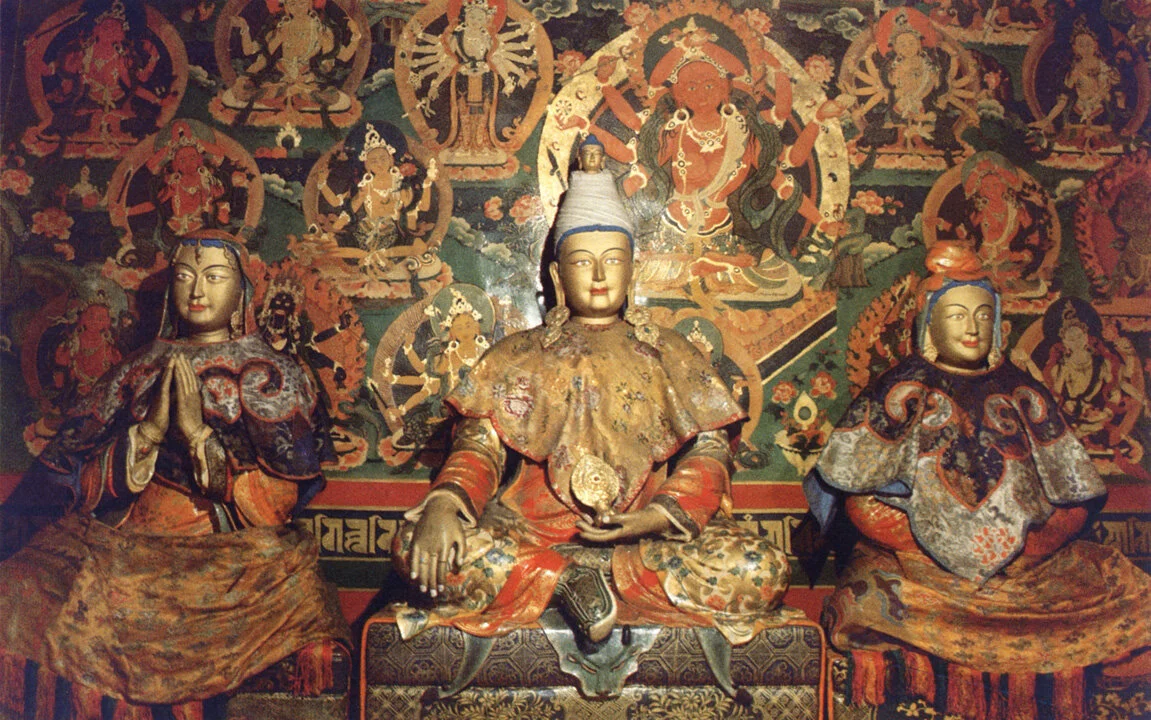
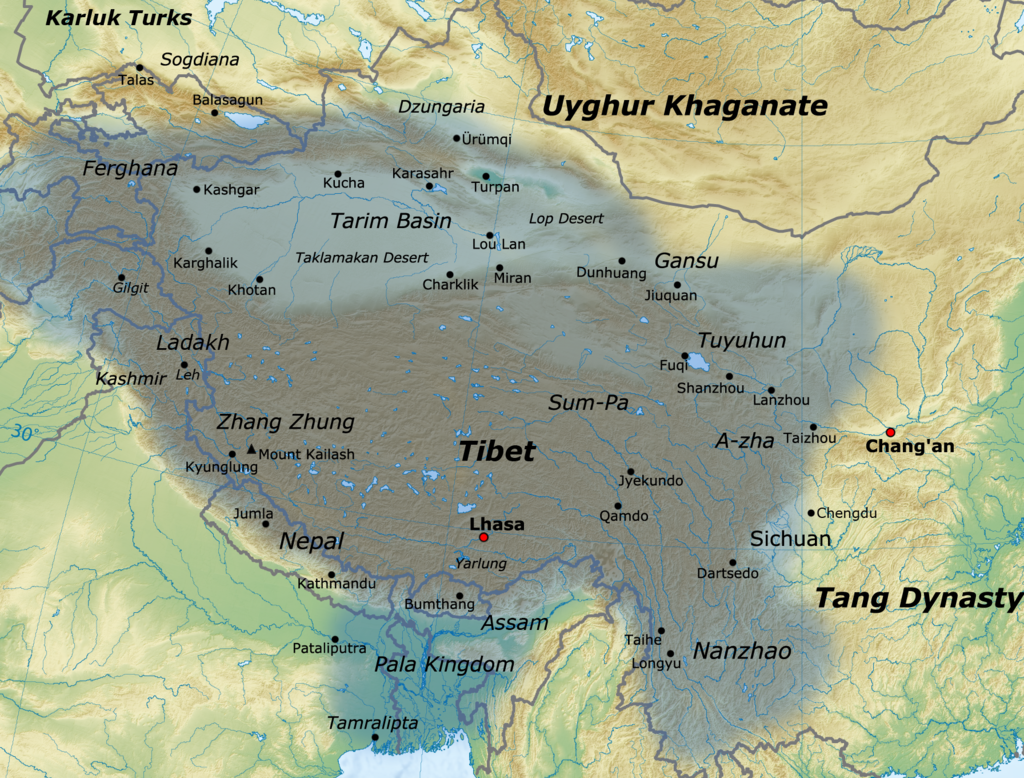
Songsten Gampo was the king of a small state in southern Tibet, which had only just begun to expand beyond its perhaps centuries-old domain. From this, he created a long-lasting Tibetan Empire, which ruled most of the Tibetan Plateau for centuries and, thanks in no small part to Songsten Gampo, became the center of Buddhism for perhaps the whole world.

7.4 - Songsten Gampo
The Almost Forgotten

Sources

  • Christopher I Beckwith, The Tibetan Empire in the Struggle for Central Asia

  • H.E. Richardson, Tibet and Its History

  • Tsepon Shakabpa, Tibet A Political History

  • Acharya Kirti Tulku Lobsang Tenzin and K. Dunlop, Early Relations Between Tibet and Nepal (7th and 8th Centuries)

Names Mentioned
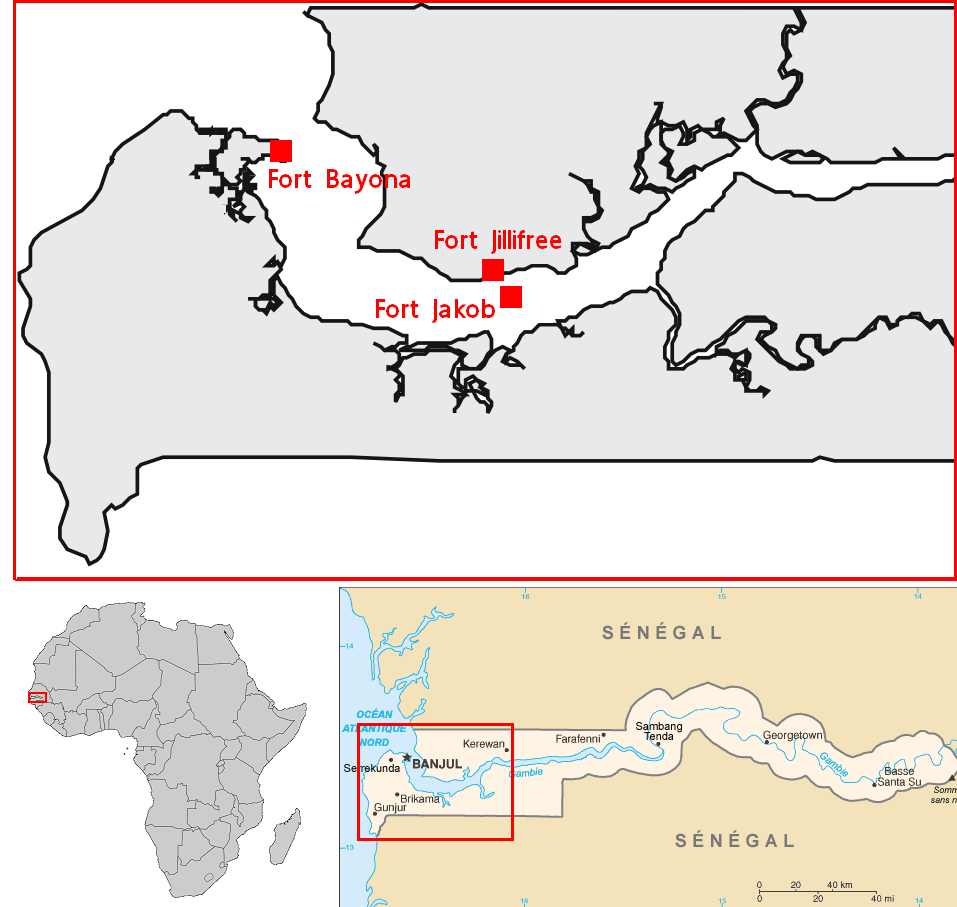
Episode 7.3 - Dion of Syracuse

Dion was born in Syracuse and became a trusted advisor to the city’s tyrant. But Dion’s relationship with the next tyrant was no so hot, and after falling out, Dion became a reformer. As a student of Plato, he saw an opportunity to implement the philosopher’s ideal Republic, and he seized the moment, trying to build something special.
7.3 - Dion of Syracuse
The Almost Forgotten

Sources

  • Plutarch, Lives, Dion

  • Diodorus Siculus – The Library of History

  • J.B. Bury, A History of Greece to the Death of Alexander the Great

  • Encyclopedia of Plato

Names Mentioned

Episode 7.2 - Leukon

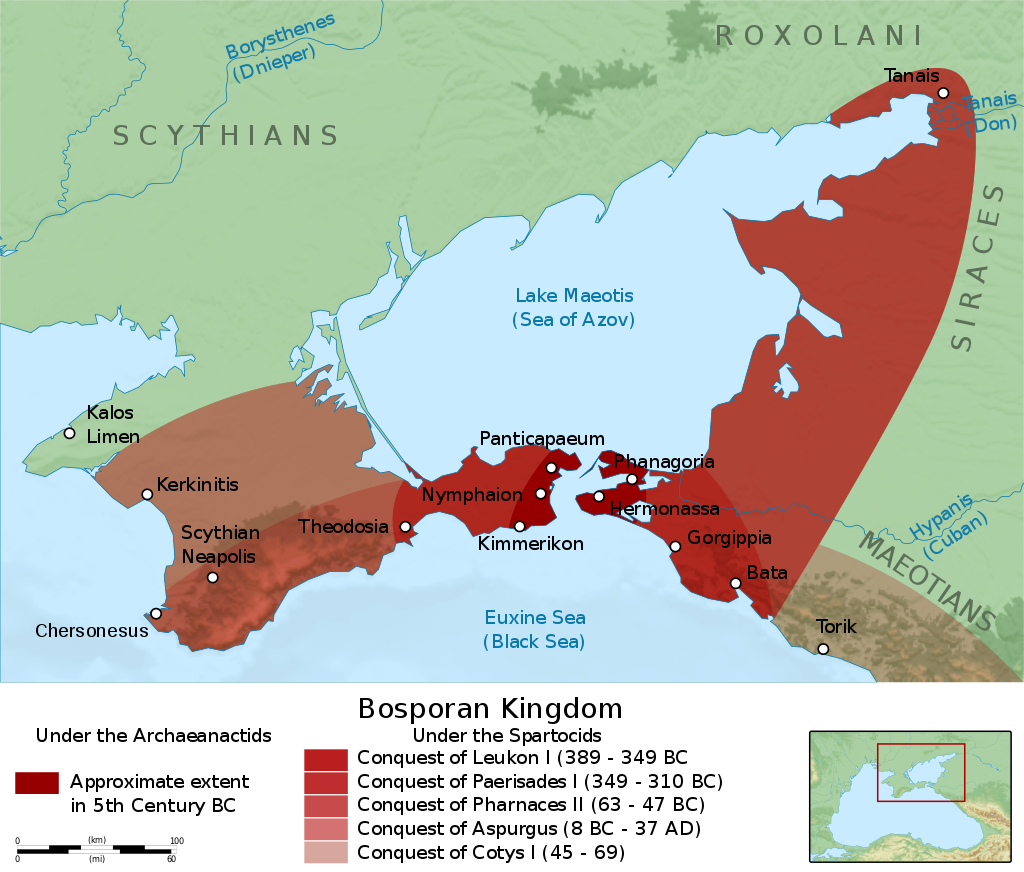
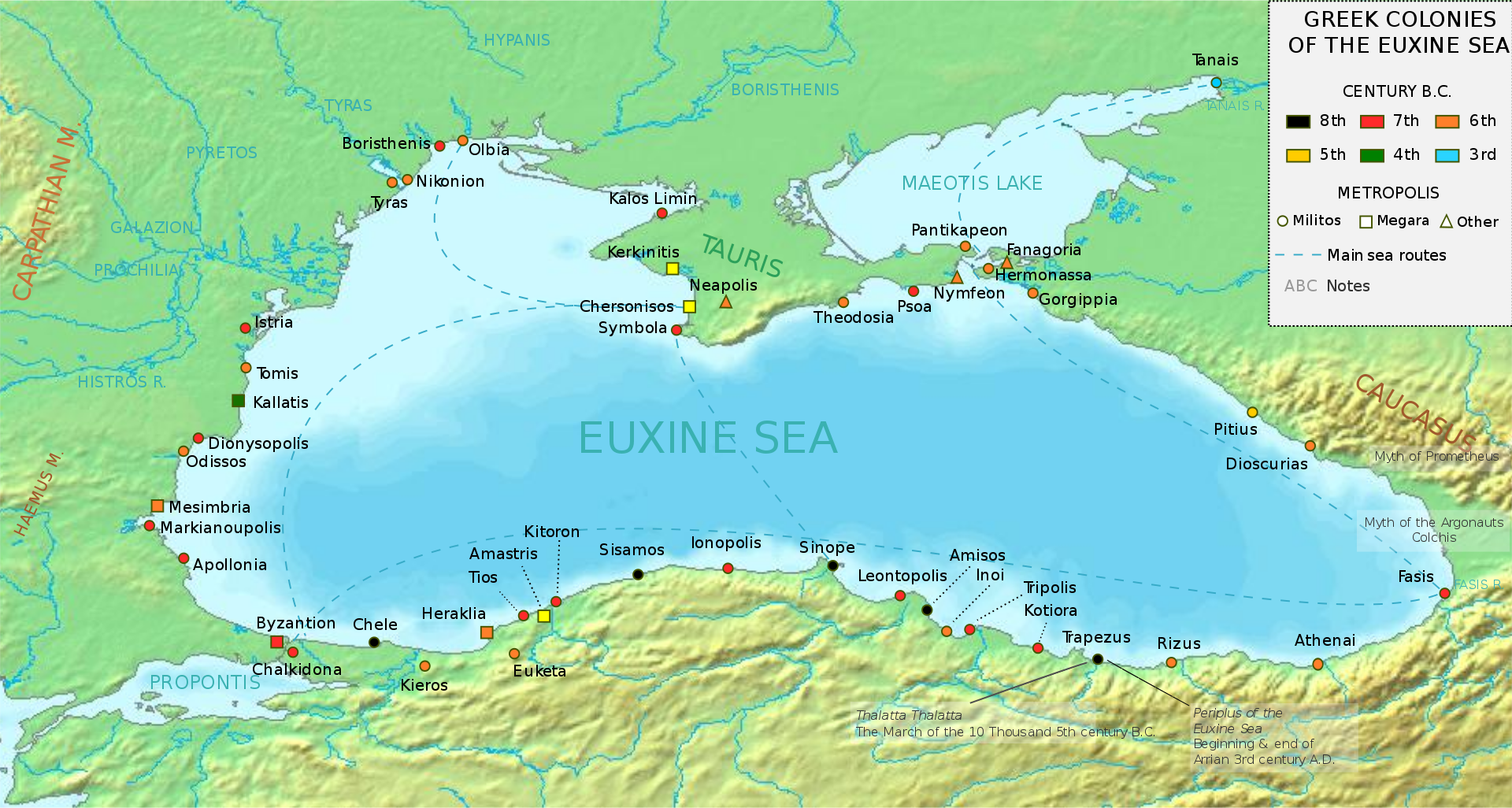
Leukon was the tyrant, then king, of the Cimmerian Bosporus, a territory on the Crimean Peninsula, at the very edge of the Greek world. He took the territory, capitalized on its relationship to the rest of the Greek world to create an important Hellenized kingdom that would last for centuries.

7.2 - Leukon
The Almost Forgotten

Sources

  • The Cambridge Ancient History; Volume 6: The Fourth Century BC, 2nd edition

  • Plutarch, Lives, Pericles

  • Sergei R Tokhtas’ev, The Bosporus and Sindike in the Era of Leukon I, New Epigraphic Publications

  • Aeschines, “Against Ctesiphon”

  • Polyaenus, Strategems

  • D.E.W. Wormell, Studies in Greek Tyranny – II. Leucon of Bosporus

  • Stanley M. Burstein, The War between Heraclea Pontica and Leucon I of Bosporus

  • Athenaeus, Deipnosophistae

Names Mentioned

Episode 7.1 - Shutruk Nakhunte

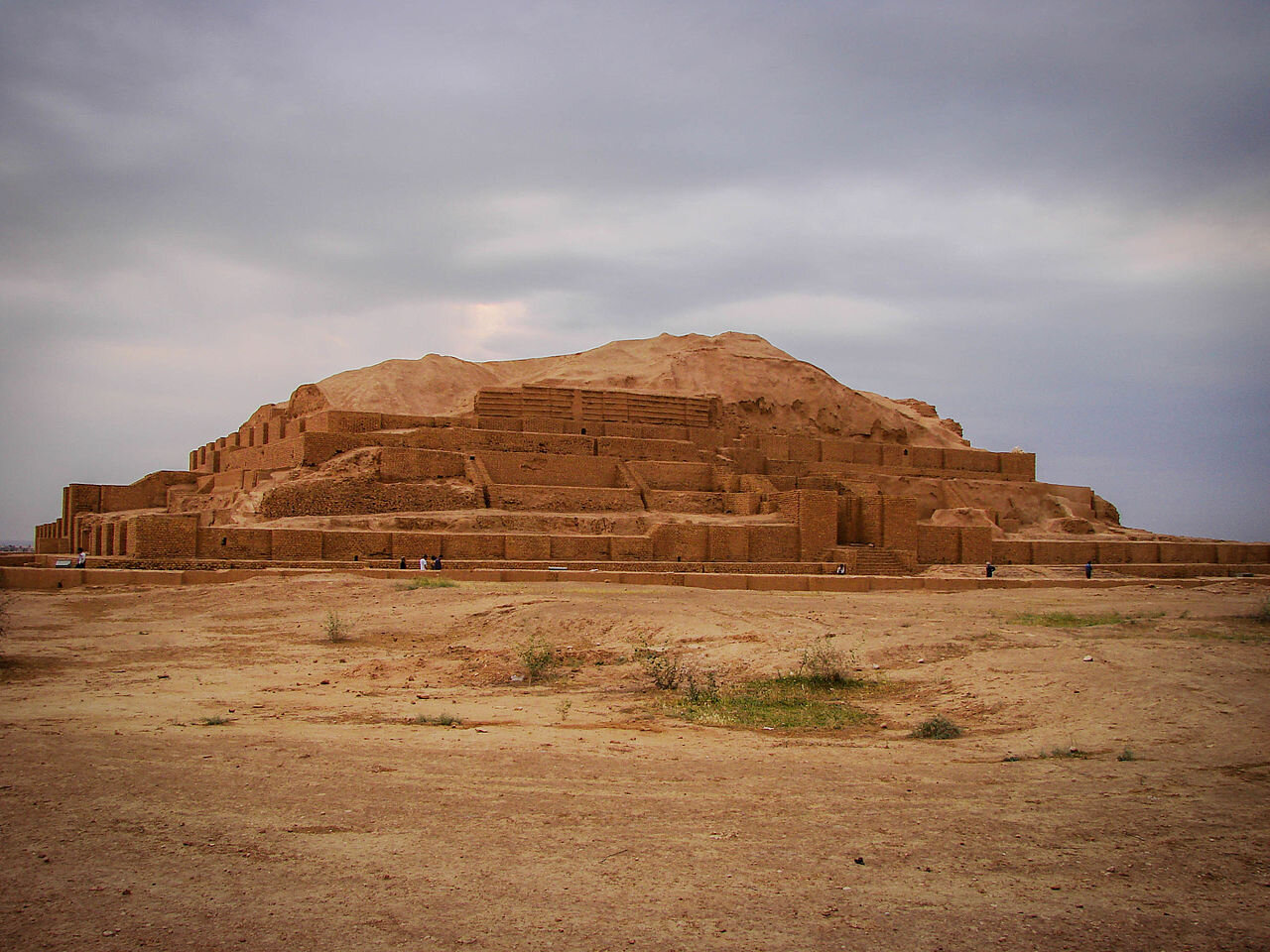
Shutruk-Nakhunte was the most powerful king of Elam. He took this often times disunited culture, and created an empire out of it. Elam existed for thousands of years, but under Shutruk-Nakhunte they managed to be one of the great powers in the region, a rarity for them despite their long-lived civilization.

7.1 - Shutruk Nakhunte, King of Elam
The Almost Forgotten

Sources

Names Mentioned

Episode 6.6 - Burgundy Pt 6 - Mary and the Rest

Burgundy is in turmoil after the death of Charles. His daughter Mary is his heir, but France, as well as the Netherlands, aren’t going to allow her to take power easily. Burgundy, though, survives in some way, beyond Mary, through her marriage into the powerful Habsburg family, and leaves a lasting legacy, at least in the Low Countries

6.6 - Burgundy Pt 6 - Mary and the Rest
The Almost Forgotten

Sources

  • Joseph Calmette, The Golden Age of Burgundy

  • Richard Vaughan, Philip the Bold

  • Richard Vaughan, John the Fearless

  • Richard Vaughan, Philip the Good

  • Richard Vaughan, Charles the Bold

  • Henri Pirenne, “The formation and constitution of the Burgundian State (fifteenth and sixteenth centuries)”, American Historical Review

  • Laetitia Boehm, “Burgundy and the Empire in the Reign of Charles the Bold”, The International History Review

  • The New Cambridge Medieval History

Names Mentioned